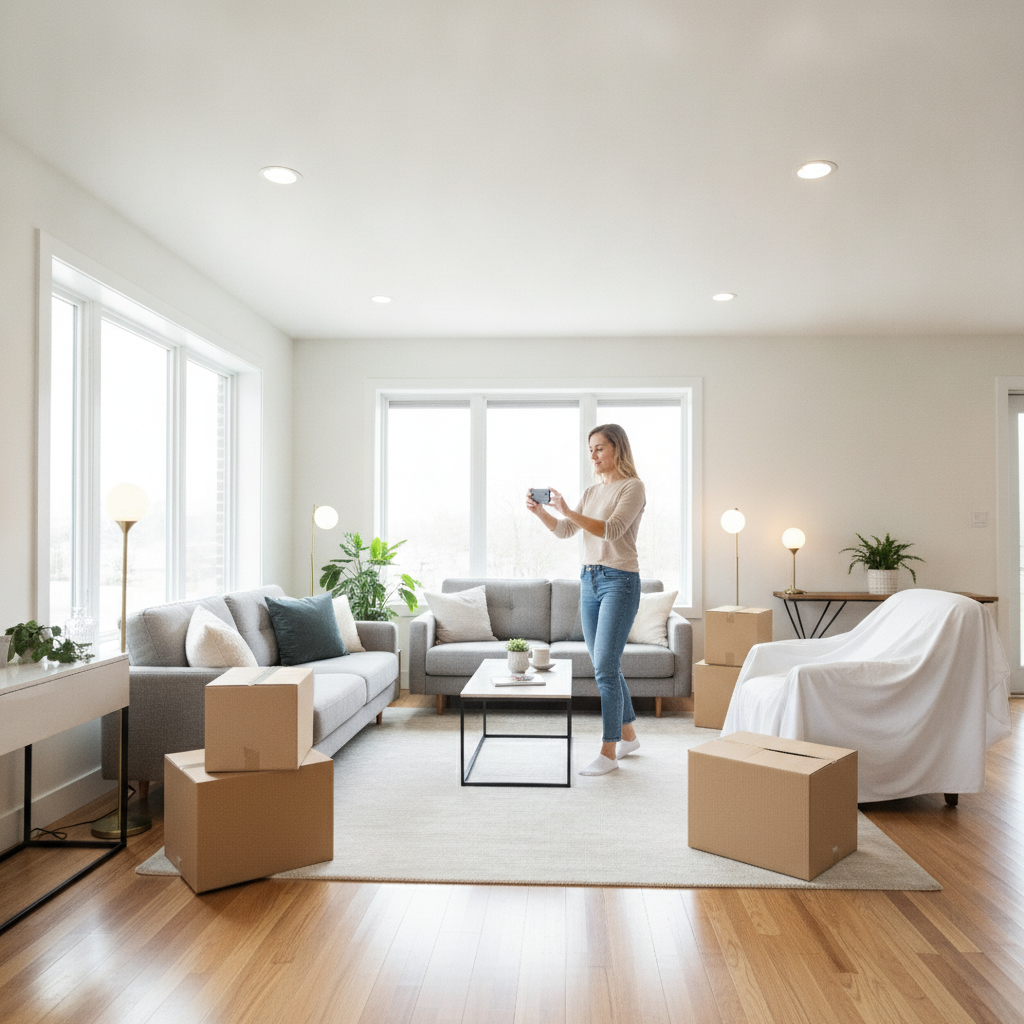
Preparing for a video quote is the process of filming a clear, guided walkthrough of your home and items so movers can assess volume, access, and special handling needs. A structured recording shows what’s moving, where it sits, and how it exits. Done right, it speeds up scheduling and makes estimates more accurate.
By Let’s Start Moving • Last updated: 2026-07-02
Quick Summary
Record a focused walkthrough that covers every room, entry and exit path, stairs and elevators, tight turns, parking access, and all large or delicate items. Include approximate dimensions, counts, and packing status. Good lighting, steady pacing, and simple narration help movers deliver faster, more reliable video quotes.
Here’s the fast path to a great video estimate:
- Walk room by room in good light; pause on large or fragile items.
- Show doors, stairs, elevators, hallways, and parking/loading access.
- State quantities (boxes, totes, bins) and packing status.
- Measure key items and doorways; note tight spots and disassembly needs.
- Flag specialty items (pianos, hot tubs, treadmills, refrigerators).
Introduction
A video quote lets you share your move details without an in‑person visit. You’ll film a guided tour that shows what’s moving, access paths, and any specialty items. Clear footage reduces back‑and‑forth, helps plan crew and equipment, and supports on‑time, low‑stress moving day execution.
Let’s Start Moving offers a convenient video‑quote option so you can quickly show volume, access, and special handling needs. The result: fewer surprises, better scheduling, and a smoother moving day.
- Who this helps: renters, homeowners, and businesses with busy schedules.
- What you’ll learn: exactly how to film, what to measure, and what to say.
- Why it works: movers can right‑size trucks, crews, and equipment in advance.
Before You Start (Prerequisites)
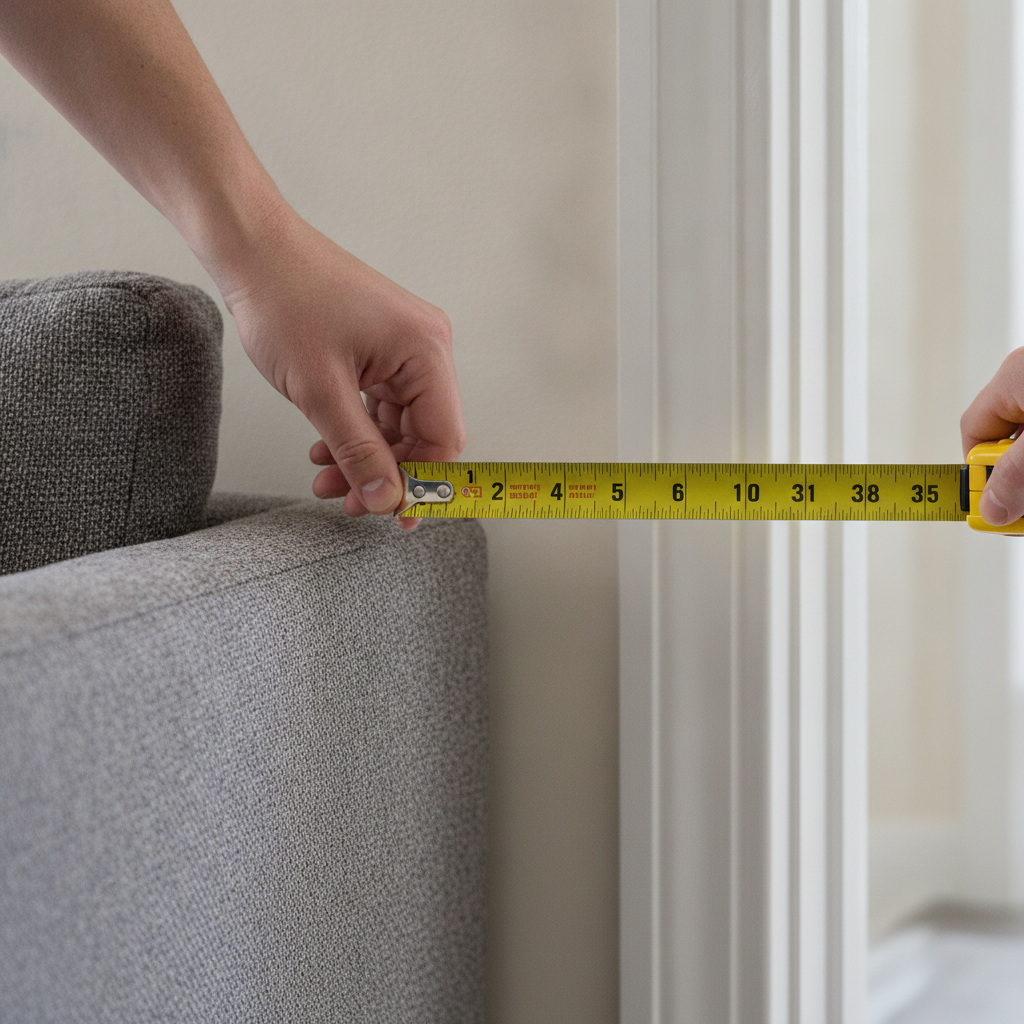
Set yourself up in 10 minutes: gather a smartphone, tape measure, flashlight, sticky notes, and a simple list of what’s moving. Clear a path to exits, open doors, and switch on lights. Decide the order you’ll film—usually from the entrance through each room, then out to parking.
Preparation keeps the recording short but complete. It also reduces missed details that lead to extra questions later.
What you need on hand
- Smartphone with adequate battery and storage; set to 1080p or higher.
- Tape measure for doorways, stair widths, and bulky items.
- Flashlight for dim hallways, storage nooks, and basements/attics.
- Sticky notes to label “moving” vs “not moving” on ambiguous items.
- Basic list of rooms and major items to avoid missing anything.
Simple house prep that pays off
- Turn on lighting everywhere you’ll film; open curtains for daylight.
- Clear walkways to show realistic paths to exits and to prevent tripping.
- Open access points: doors, elevator lobbies, garage, side gates.
- Gather small items into bins so counts are easy to mention.
- Silence TVs/music so your narration is easy to hear.
In our experience, this 10‑minute prep eliminates most follow‑up questions. It also mirrors how our crews plan routes for safe handling and on‑time delivery.
Step-by-Step Process
Film from the front door, move room to room clockwise, and finish at parking. Narrate counts, sizes, and packing status. Pause on big items, measure tight spots, and show every stair, elevator, and turn. End by confirming dates, flexibility, and any building rules or time windows.
Use this repeatable flow to capture everything we need the first time.
Step 1 — Start at the entry and trace the exit path
- Show the front door, hallway, any tight turns, and the stairwell or elevator.
- Walk the entire path a couch or fridge would take to the truck.
- Pause and narrate widths if any spots look snug.
Step 2 — Room-by-room sweep with simple narration
- Pan left to right; count boxes and totes in view.
- Call out what’s moving vs. staying for clarity.
- Pause on large, heavy, or fragile items and state if packed.
Step 3 — Measure bulky items and key pinch points
- Capture length x width x height for sectionals, armoires, and appliances.
- Measure doorways, stair widths, and low ceilings.
- Note any disassembly needs (legs, doors, banisters).
Step 4 — Show building and parking logistics
- Film elevator size and availability; mention booking windows if any.
- Show loading zones, driveway slopes, or garage height.
- Point out access codes or concierge/security procedures (no codes on video).
Step 5 — Spotlight specialty items
- Piano: type (upright, baby grand), approximate size, access path.
- Hot tub: location, yard gates, deck stairs, and clearance.
- Treadmill/refrigerator: model size and whether doors detach.
Step 6 — Confirm dates, timing, and constraints
- Share target dates and whether you have some flexibility.
- Note any quiet hours or elevator time slots.
- State packing plan: full-service packing, partial, or DIY.
Following these steps helps us right‑size crew, vehicle, and equipment so your move day runs to plan.
What to Film and Say (With Examples)
Stick to a simple script: “This is Bedroom 1—two nightstands, a queen bed, and six boxes (packed). Doorway is 30 inches. One tight turn to the hall.” Use consistent phrasing per room to keep the video short, complete, and easy for estimators to review.
Sample script you can borrow
- “Entry: Standard door; 90‑degree turn into a 36‑inch hallway. One flight of stairs to ground level.”
- “Living Room: Three‑seat sofa (84 inches), media console (packed), coffee table, eight boxes.”
- “Primary Bedroom: Queen bed (disassembly needed), two dressers, six bins.”
- “Kitchen: Refrigerator (counter‑depth), table with four chairs, ten boxes (labeled kitchen).”
What to emphasize for accuracy
- Counts: boxes, totes, bins, and odd shapes (lamps, plants).
- Weights: any unusually heavy piece (solid wood, stone, safes).
- Fragility: glass tops, antiques, artwork, electronics.
- Access: narrow stairs, long carries, elevator size, loading zones.
Consistent phrasing makes estimates easier to verify and aligns with our planning for safe handling, protective supplies, and efficient load sequencing.
Process Table: Video Walkthrough Cheat Sheet
Use this table as your on‑camera checklist: it maps what to show, why it matters, and a quick filming tip. Keep it open on another device while you record so you don’t miss critical sections that impact crew size and equipment.
| Show this on video | Why it matters | Filming tip |
|---|---|---|
| Front door, hallway, stairs | Determines carry distance, turns, and elevator/stair use | Walk the full exit path at normal speed |
| Each room, left-to-right pan | Captures volume, counts, and packing status | Say what’s moving and what’s staying |
| Bulky items + doorway widths | Checks if items fit without damage | Measure on camera; call out inches |
| Elevator, loading, parking | Impacts timing, crew staging, and vehicle choice | Show ceiling height, ramps, and slopes |
| Specialty pieces | Triggers the right tools and team | Pause, describe type, and access path |
Troubleshooting: Common Video Quote Pitfalls
Most re‑quotes stem from missed rooms, unclear access, and hidden special items. Solve this by following a fixed route, labeling “not moving” items, and filming stairwells, elevators, and parking last. If you’re unsure, narrate your question on camera to prompt a follow‑up.
Issues we see and quick fixes
- Missed spaces (garage, storage, balcony): Add them to your room list.
- Unclear access: Re‑film stairs and turns; state widths.
- Surprise specialty items: Point out pianos, hot tubs, treadmills explicitly.
- Shaky or dark video: Use both hands, slow down, and turn on lights.
- Ambiguous items: Label with sticky notes and say “moving” or “staying.”
When to re‑record
- After adding or selling furniture that changes overall volume.
- When your building grants elevator time windows you didn’t know before.
- If access paths change (construction, gate codes, blocked loading zones).
Clear footage prevents day‑of delays and keeps your crew properly briefed.
Advanced Tips (Optional)
Level up your video quote by batching alike items, pre‑labeling boxes, and sharing a concise inventory note. Show protective floors or elevator pads if required. If you have a piano or hot tub, film the entire access path and obstacles so specialty movers can plan tooling in advance.
For specialty items and complex buildings
- Piano moving: film stairs, turns, and railings; mention piano type and bench.
- Hot tub moving: show deck stairs, yard gates, and lawn/stone paths.
- Treadmills and appliances: confirm door removal options and pathways.
- High‑rises: show elevator interior, lobby distance, and loading dock rules.
Make your estimator’s job easy
- Group similar items (book boxes, wardrobe boxes) for quick counts.
- Label fragile items and mention if you want pro packing.
- Point out disassembly needs for beds, shelves, or sectionals.
- Confirm dates and backup windows to improve scheduling options.
These small touches directly support Let’s Start Moving’s planning model: right people, right truck, right tools—on time.
What We Do with Your Video (Behind the Scenes)
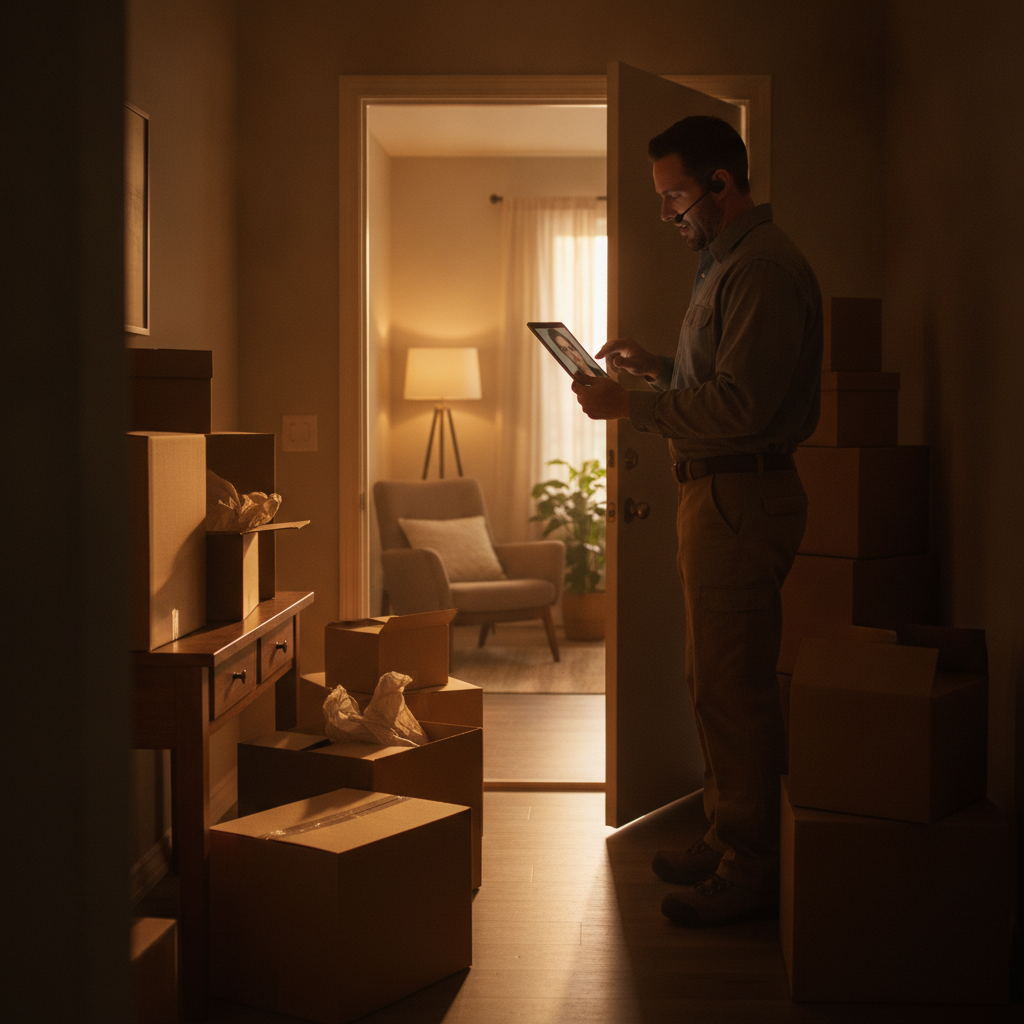
Our team reviews your footage to confirm volume, access, and any special handling. We estimate crew size, truck capacity, protective supplies, and timing. Clear videos let us lock in schedules faster and plan safe handling for pianos, appliances, hot tubs, treadmills, and delicate furniture.
- Volume modeling: boxes, bins, totes, and odd shapes like lamps or plants.
- Access logistics: stairs, elevators, long carries, and loading distance.
- Specialty handling: piano boards, appliance dollies, and protection.
- Route timing: staging order, elevator bookings, and building rules.
Because Let’s Start Moving is licensed and insured, we also match tools and protective materials to your inventory to safeguard surfaces and items during handling.
Packing and Supplies Alignment
Your video quote should confirm what’s already packed and what needs professional packing. Note fragile items, artwork, and electronics. When we know quantities and fragility up front, we bring the right mix of boxes, wraps, and pads—and ensure there’s time on the schedule for packing.
- Call out fragile zones: glass, mirrors, art, TVs, and heirlooms.
- Mention DIY vs pro packing so we plan supplies and time blocks.
- Group small items for simple counts and safer travel.
For DIY packers, practical reference checklists like this packing checklist can help you standardize labels and box types before filming your video quote.
Access Risks and Safety Notes
Show anything that could slow or complicate the exit path: tight turns, steep stairs, long carries, or slippery surfaces. Mention building rules and elevator windows. Transparent access details reduce schedule risk and help prevent damage to walls, doors, railings, and floors.
- Film hazards: low ceilings, narrow landings, or tight stair spirals.
- Point out protections you must use (elevator pads, floor runners).
- Describe loading: driveway clearance, curb space, or dock height.
If you want more context for move preparation, this move‑planning guide outlines general logistics homeowners often overlook.
Ready to Share Your Video?
A clear, five‑minute walkthrough is all you need. Film the entry path, each room, tight spots, and specialty items, then send it through our video‑quote form. We’ll confirm details, right‑size the crew, and coordinate timing—so move day runs smoothly.
Helpful tip: Keep your phone horizontal, speak clearly, and follow the checklist in this article. If anything’s uncertain, say it on camera—we’ll respond with guidance.
Additional Examples (12 Scenarios)
Use these real‑world scenarios to sharpen your walkthrough. Each example highlights what to emphasize so your estimator understands volume, access, and risks. Tailor the language to your home, but keep the structure: inventory, access, specialty notes, and timing.
- Studio apartment: one couch, bed frame, two dressers, eight boxes; one elevator; short carry to loading zone.
- Townhome with stairs: two flights, tight landing; sectional (two pieces), six chairs, ten bins.
- High‑rise: service elevator booked 9–11 a.m.; long carry through dock corridor; 20 boxes packed.
- Garage and storage: shelving units, tools in bins, seasonal totes; note heavy items and liquids.
- Basement with turns: sofa (84 inches) through 30‑inch door; low ceiling at stairs.
- Piano move: upright piano on main floor; two exterior steps; straight shot to driveway.
- Hot tub: deck steps plus narrow gate; flag deck rail height and yard slope.
- Treadmill: foldable model; doorway clearance 31 inches; two switchback turns.
- Appliance set: fridge (doors off), range, washer/dryer; elevator size shown on camera.
- Home office: glass desktop, standing desk, monitors; emphasize protection needs.
- Long carry: apartment to street with 200‑foot sidewalk; curbside loading, no dock.
- Mixed DIY and pro packing: labeled book boxes done; request pro packing for art and TVs.
These snapshots mirror the variety our team handles daily—residential, commercial, and specialty items—so your video quote captures the details that matter.
Before/After: What a Good Video Quote Fixes
A good video quote fixes blind spots like hidden stairs, long carries, and surprise specialty pieces. Estimators use it to plan equipment, supplies, and crew, which reduces rescheduling and keeps your timeline predictable—even if plans evolve between recording and moving day.
- Before: vague inventory, unclear access, uncertain packing plan.
- After: clear counts, measured pinch points, known loading options.
- Result: better scheduling, safer handling, and smoother move execution.
If you prefer written templates, this short moving prep checklist pairs well with the video approach.
Frequently Asked Questions
You’ll record a short, guided walkthrough that shows rooms, access paths, and specialty items. Use good lighting, steady pacing, and simple narration. Measure big items and tight doorways. If plans change, re‑record the affected area and update your estimator.
How long should my video quote be?
Most homes can be covered in about five minutes when you follow a room‑by‑room plan and stick to the script. Larger homes or complex access may take longer—focus on clarity, not speed.
What measurements matter most?
Doorway width, stair widths, elevator size, and the dimensions of bulky items like sectionals, armoires, refrigerators, and treadmills. If any turn looks tight, say the width and show it on camera.
Should I include items I might sell or donate?
Yes—mention any “maybe” items and when you’ll decide. Estimators can provide a primary plan and a backup so your move stays on schedule regardless.
Is it okay if some boxes aren’t packed yet?
Absolutely. Just say what’s packed, what’s not, and whether you want professional packing for fragile or high‑value items. Clear status notes help us plan supplies and time.
What if my building adds new move‑out rules?
Update your estimator as soon as you learn about new requirements like elevator windows, dock reservations, or protective pads. A quick note prevents schedule conflicts on move day.
Conclusion
A great video quote shows movers what’s moving and how it exits the building. With clear footage, basic measurements, and simple narration, you enable accurate planning of crew, truck, and supplies—reducing surprises and keeping your timeline steady from estimate to delivery.
- Key Takeaways:
- Film the entry path, each room, and parking/loading access.
- Measure bulky items and tight doorways on camera.
- Call out specialty pieces and packing status.
- Confirm dates and any building rules.
- Next steps:
- Follow the step‑by‑step script in this guide.
- Record a clear, steady five‑minute walkthrough.
- Submit your video for a fast, accurate estimate.
Additional Resources
Use these practical references to round out your prep: a basic packing checklist, a room‑by‑room walkthrough script, and a simple measurement plan for big items and tight access. Combine them with your video quote to reduce re‑visits and keep your move on schedule.
- DIY packers can reference this concise packing checklist for standardized labels and box types.
- For broader planning context, skim this efficient move overview before you film.
- Pair your video with a short written list from this moving preparation checklist so nothing gets missed.