How should you prepare furniture for movers to avoid damage?
Preparing furniture for professional movers saves time, reduces the risk of damage, and helps crews complete your move efficiently. This ordered checklist for Ottawa and Nepean homeowners explains exactly what to measure and photograph, how to clear routes and reserve parking, what to disassemble and secure, which protection materials to use, and when to call specialists. If you want an accurate estimate based on photos or video, consider submitting a video quote or visiting the home furniture moving page.
Before you start: measure and photograph every large piece and route
What to measure
Measure each large item and the narrowest points along the move route. For furniture, record height, width and depth. For the route, measure door openings, hallway widths, stair width and headroom, elevator interior dimensions and any low beams or light fixtures. Note external access: driveway slope, steps to the front door, and available parking near the entrance.
How to take useful photos
- Photograph each item from three angles: front, side and top if possible.
- Photograph the route: door frames with a tape measure visible, staircases, elevator interiors and the outdoor entrance including parking and loading areas.
- Take close-ups of fragile details, glass panels, decorative legs and any damage you want documented.
Measurements and photos let movers plan crew size and equipment in advance and reduce surprises at pickup. For a concise reference on this practice see an Ottawa pro mover checklist and general guidance on preparing furniture for transport at Forbes.
Create a clear route: doors, stairs, elevators and parking
Steps to clear the path
- Remove rugs, clutter and small furniture from hallways and stair landings.
- Secure loose runners with tape so they do not slip during handling.
- Clear a straight line from the item to the truck where possible and protect floors with cardboard or floor runners.
- Reserve a loading zone or parking spot near the entrance if your building allows it. In apartment blocks, book elevator windows and post a notice at the entrance during the move window.
If staircases are narrow, turns are sharp, or no elevator is available, inform your mover in advance. This information determines whether dollies, straps or extra crew are required and helps avoid last-minute delays.
Disassemble, empty and secure: step-by-step for common furniture
What homeowners should do
- Empty drawers and remove loose items from shelves and cabinets. Moving furniture with contents increases weight and can damage interiors.
- Remove glass, mirrors and detachable shelves and pack them separately or hand them to movers to wrap.
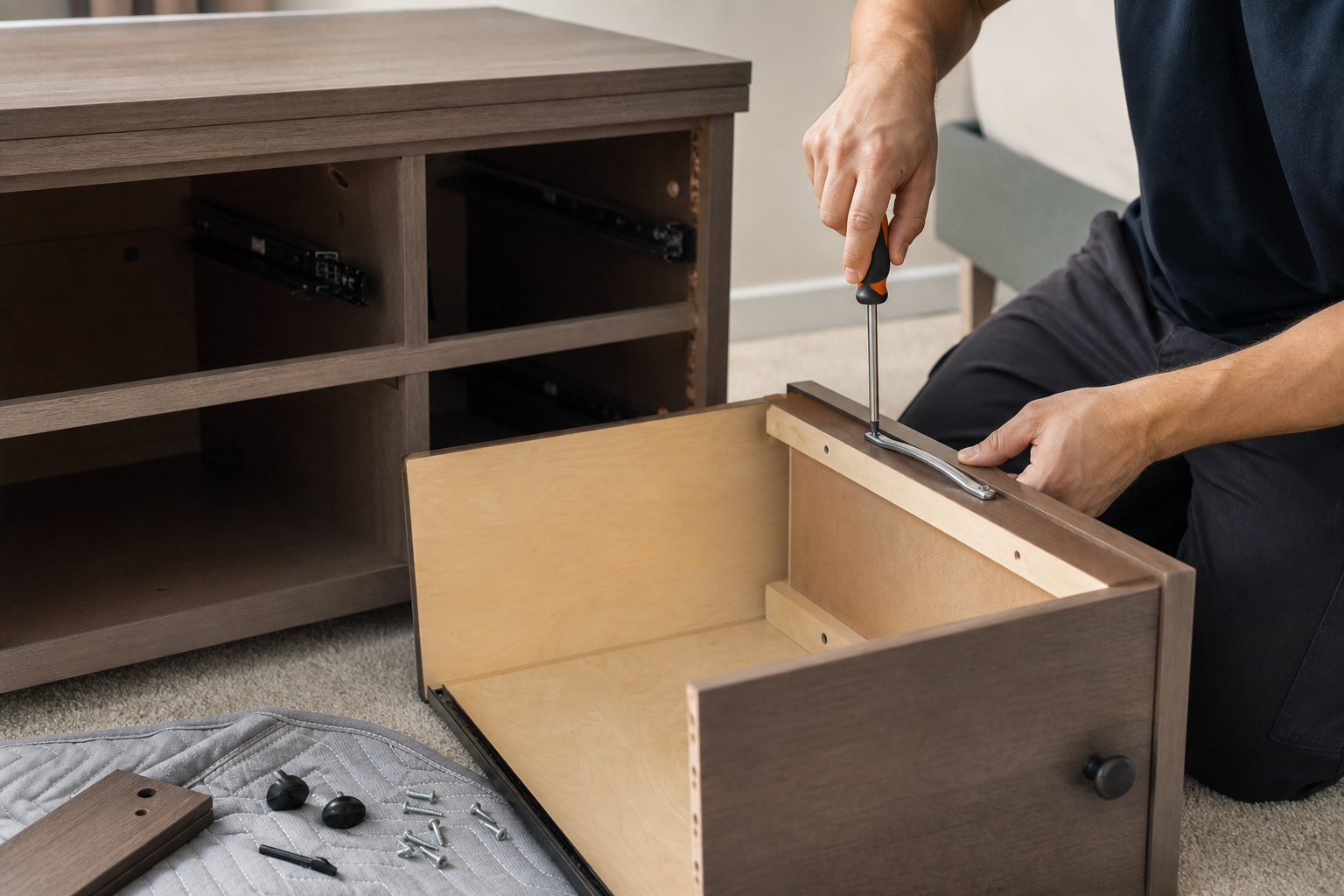
- Take off detachable parts such as sofa legs, table leaves and bed rails. Place bolts and small hardware in labeled plastic bags and tape each bag to the corresponding piece.
Tools to have ready
Have an adjustable wrench, Phillips and flathead screwdrivers, pliers and a cordless drill on hand for simple disassembly. If you encounter a corroded fastener or a bound joint, stop and call your mover for guidance rather than forcing removal. Many moving experts list basic disassembly tools as essential preparation items.
Clarify with your chosen crew which disassembly tasks they will perform. Many movers will do basic disassembly if arranged in advance, but stating responsibilities when you request an estimate prevents confusion on moving day.
Protect surfaces and fragile parts: materials and wrapping method
Packing supplies checklist
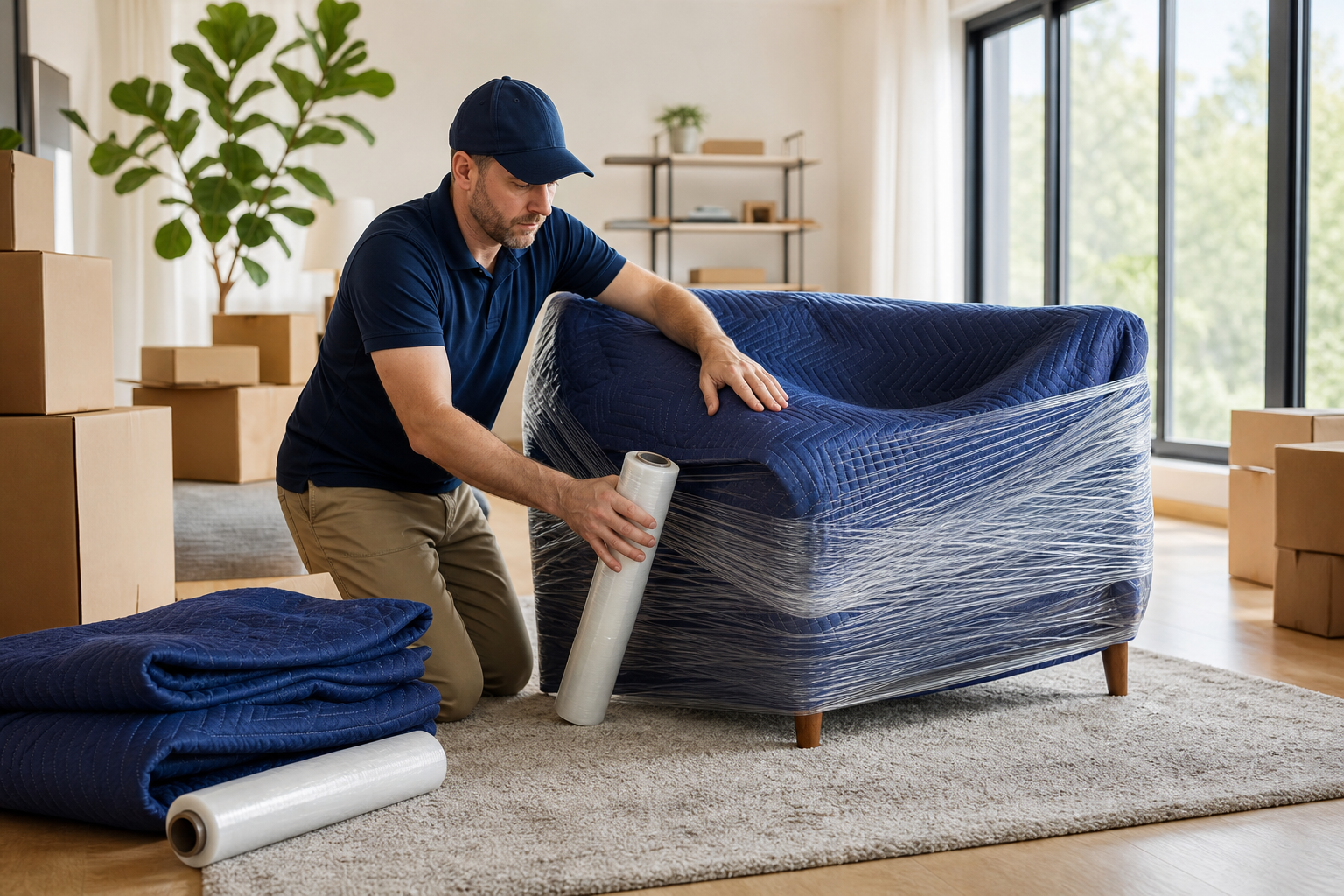
- Moving blankets for wood and upholstered furniture
- Stretch film to hold drawers closed and protect fabric from dirt
- Bubble wrap for glass, lamps and fragile trim
- Cardboard corner protectors for tables and cabinets
- Heavy-duty tape or ratchet straps to secure wraps and stacked items in the truck
- Labeled boxes for small hardware parts and fragile pieces
Wrapping sequence for a dresser or cabinet
- Remove loose items and glass and clean dust and grit to avoid scratches.
- Wrap glass panels in bubble wrap and secure them separately with corner protection.
- Cover the whole piece with a moving blanket, then wrap the assembly with stretch film to keep the blanket in place.
- Label the piece with the destination room and any handling notes such as "fragile" or "keep upright".
Correct materials and a consistent wrapping order protect your furniture and reduce mover handling time, which can lower labour on moving day.
Specialty items: pianos, refrigerators, hot tubs, treadmills and antiques
Pianos
Do not attempt to move a piano alone. Pianos are heavy and delicate and require special equipment and experienced crews. Photograph the piano, measure doorways and the stair route, and schedule a professional piano-moving crew or request a video quote so the mover can confirm equipment and crew size.
Refrigerators and appliances
- Unplug and defrost refrigerators at least 24 hours before moving where possible and secure doors with stretch film or straps.
- Disconnect water lines carefully and photograph connections for reference.
- If an appliance has gas fittings or unusual utilities, contact the manufacturer or a moving specialist rather than attempting complex disconnections yourself.
Hot tubs and treadmills
Hot tubs require certified hot tub movers and specific draining, lifting and transport procedures. Treadmills should have electronics detached and the deck secured. In both cases, inform your mover in advance so they can bring the correct equipment or subcontract specialists.
Antiques and high-value items
Photograph condition, label provenance, and discuss custom crating or white-glove handling with movers well before the move. If you have insurance questions about antiques, talk to your mover and your insurer before moving day.
Safety stop points: what you should not attempt and when to hire extra crew or equipment
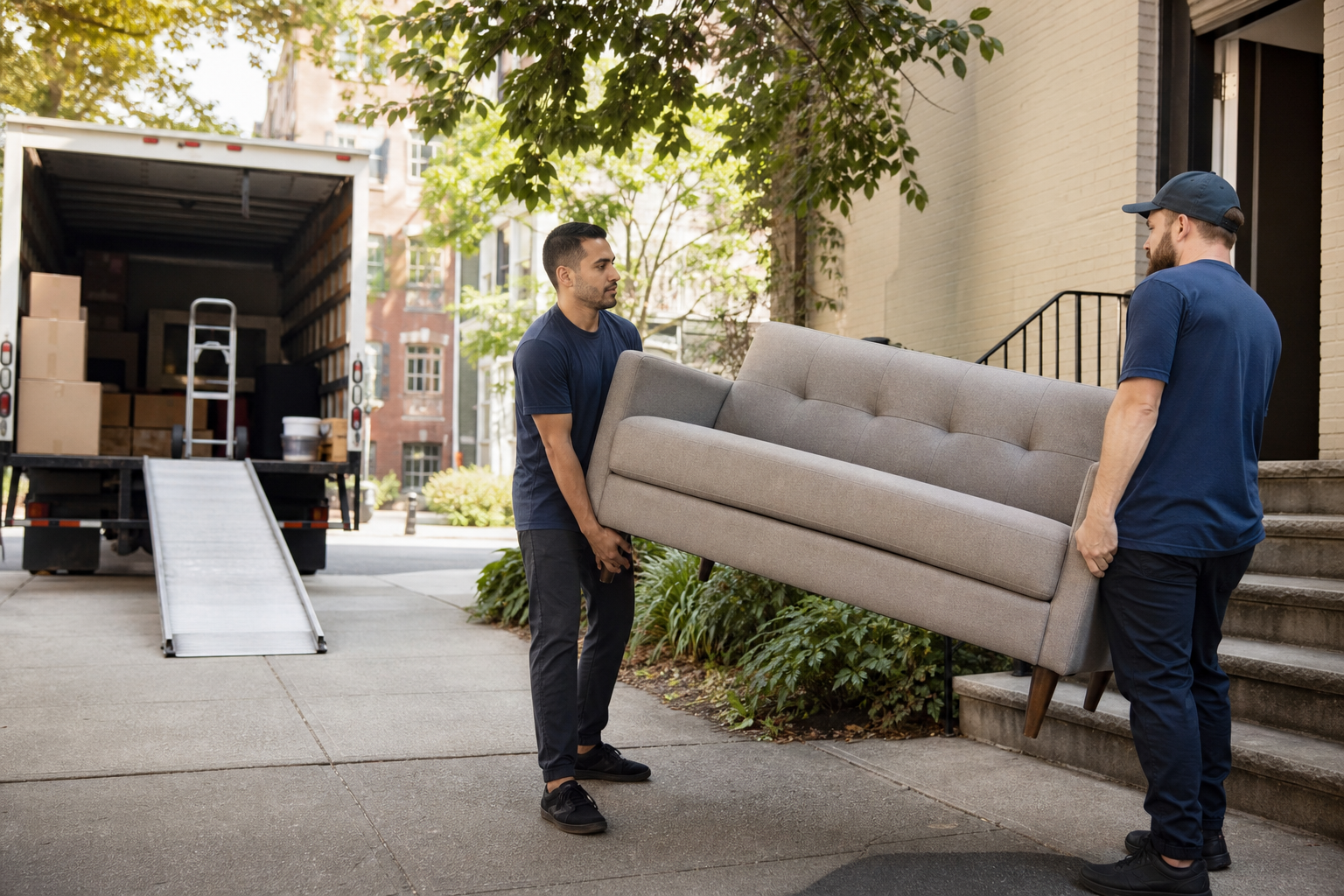
Do not lift items beyond what you can manage comfortably. Avoid moving heavy appliances down stairs without an appliance dolly, straps and adequate manpower. Do not attempt piano or hot tub moves alone. If route photos or measurements show tight clearances, schedule a site visit or request a video quote so the mover can confirm crew size and equipment. When in doubt, request mover-provided equipment or an on-site assessment.
Final checklist for moving day and timeline
Suggested timeline
- 48 to 72 hours before: Measure and photograph furniture and routes, and request a video quote if any item or route looks awkward.
- 24 hours before: Disassemble what you can safely remove, empty drawers and pack loose hardware in labeled bags.
- Moving day: Wrap and protect pieces, do a final walkthrough with the mover, confirm parking and elevator windows, and keep an essentials box with you.
Moving day checklist
- Measurements and photos handed to movers or confirmed in your video quote
- Clear route and reserved parking or loading zone confirmed
- All drawers emptied, glass removed and hardware labeled and attached to the relevant item
- Items wrapped appropriately and labeled with destination room
- Essentials kit and valuables kept with you, not in the moving truck
Printable one-page checklist and quick reference
Use a single sheet with these columns: item name, dimensions, photos taken (Y/N), disassembled parts (Y/N), protection used and mover notes. Keep this sheet by the front door for the crew to review on arrival. A concise on-site checklist speeds communication and avoids missed items.
Frequently asked questions
Do movers need furniture disassembled before arrival?
Not always. Many movers will perform basic disassembly if arranged in advance, but small parts and fragile pieces are best removed by the homeowner. Clarify responsibilities when you request an estimate or a video quote so labour and materials are included and there are no surprises.
Will movers move pianos, hot tubs or treadmills and when should I call specialists?
Specialty items usually require experienced crews and specific equipment. Do not attempt these moves yourself. Ask your mover whether they handle pianos, hot tubs or treadmills or if they will subcontract a specialist. If the item is heavy, large or requires lifting over balconies or down narrow stairs, call the specialist before moving day.
How should I prepare my refrigerator and other appliances for movers?
Unplug and defrost refrigerators at least 24 hours ahead when possible, secure doors with stretch film, and photograph any water or gas connections before disconnection. If an appliance has special fittings or built-in utilities, inform the mover so they can plan accordingly.
What should I keep with me on moving day and what should I label for movers?
Keep valuables, documents, medications and an essentials kit with you. Label furniture with its destination room and any handling instructions, and attach labeled bags of hardware to the corresponding piece so reassembly is straightforward.
What if my stairways or doorways are too narrow for a piece of furniture?
If measurements and photos show narrow clearances, inform the mover and request a site visit or a video quote. Movers will assess whether extra crew, special equipment or an alternative route such as hoisting from a window is necessary. Planning this in advance prevents last-minute delays and extra charges.
Ready to save time and reduce risk on moving day with a video quote or booking from Let's Start Moving?