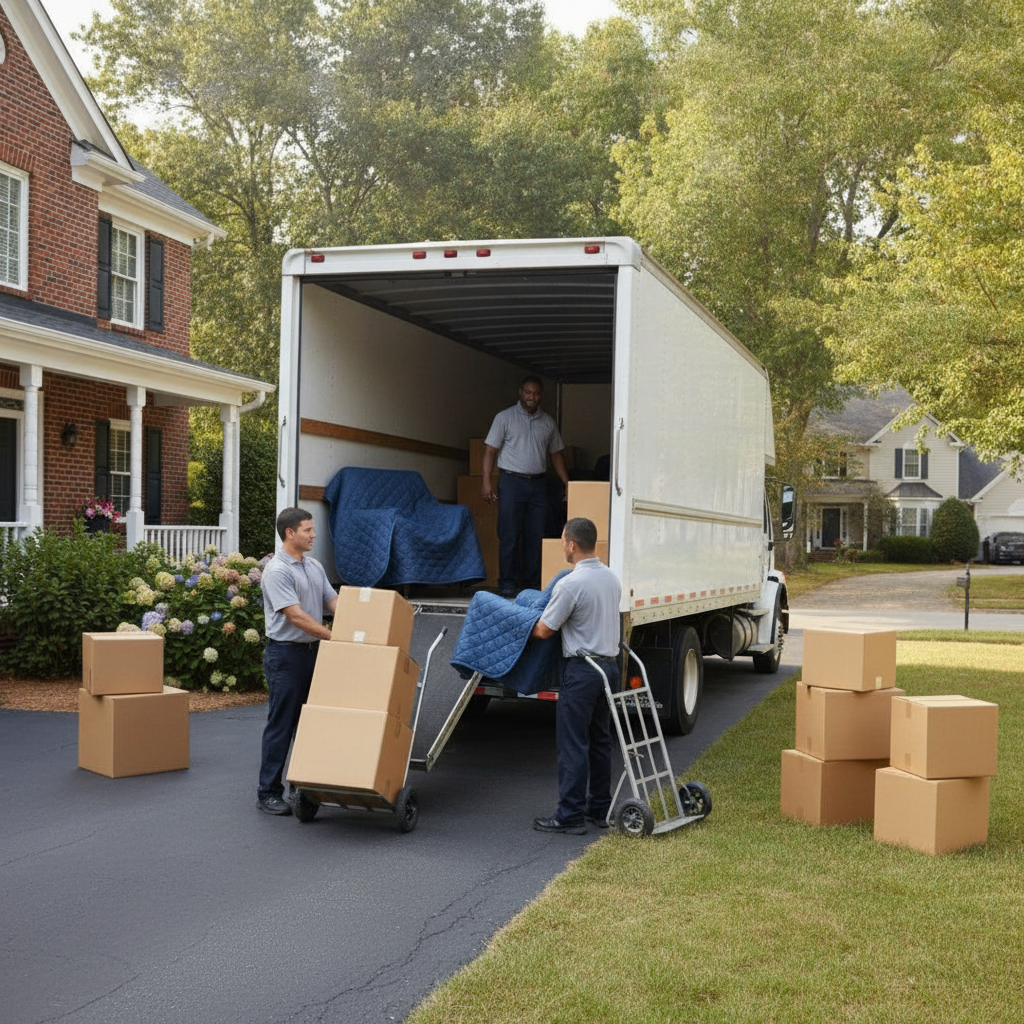
Local movers vs DIY moving is the choice between paying professionals or trading your own time, labor, and coordination to get the job done. The right call depends on inventory size, item complexity, timeline, and risk tolerance. To truly save, align your move type with the approach that prevents damage, delays, and do-overs.
By Ajinkya O • Last updated: July 3, 2026
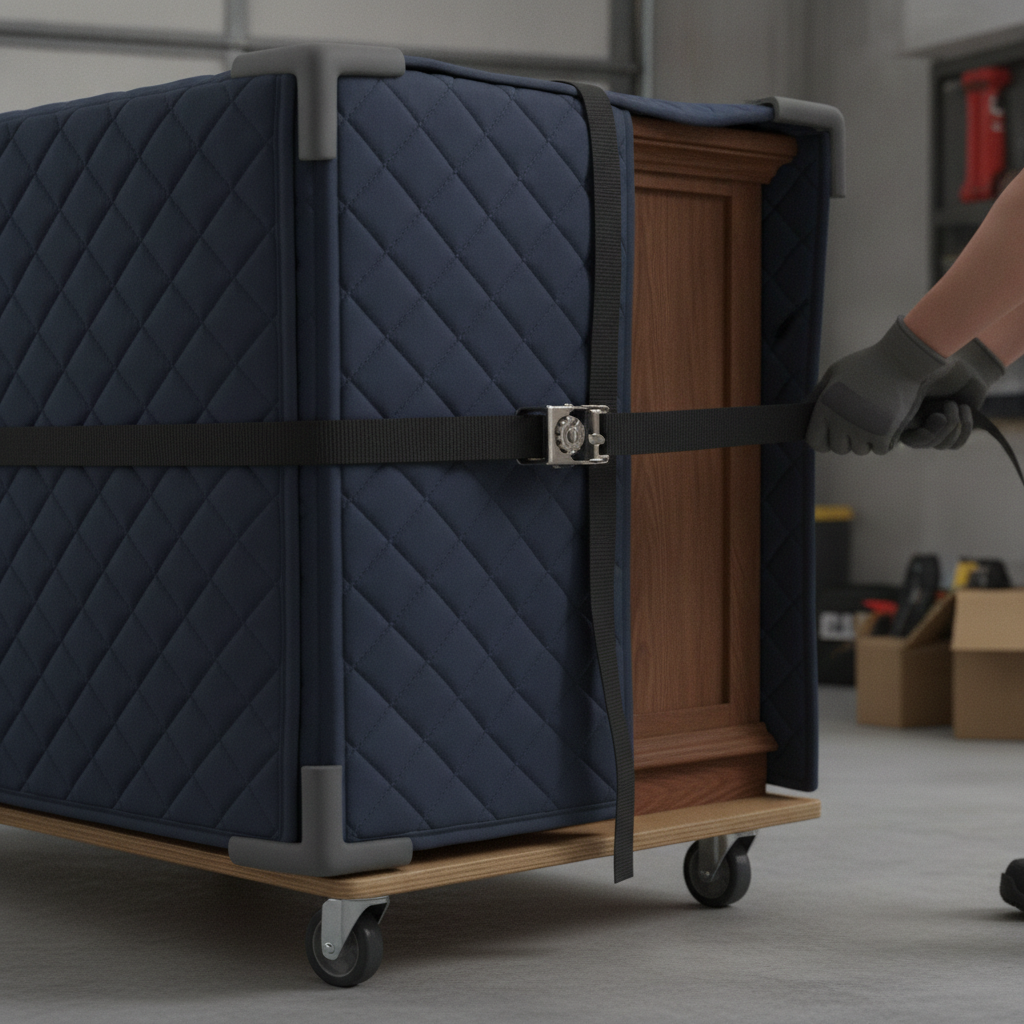
Quick Summary
If you value speed, safety, and fewer surprises, hire local movers for heavy or complex items and time-sensitive timelines. If you have minimal furniture, flexible timing, and strong helpers, DIY can work. A hybrid plan—pros for loading, you for packing—often delivers the best money-savings-to-sanity ratio.
Here’s what you’ll learn today:
- How local movers vs DIY moving compare on time, risk, convenience, and control
- 7 proven ways to save more—without cutting corners on safety
- Actionable checklists for supplies, access, and protection
- When a hybrid plan (you pack, pros lift) is the smartest middle ground
Local Movers vs DIY Moving: Quick Comparison Table
Use movers when time, safety, and predictability matter; choose DIY when you have few items, reliable helpers, and flexible timing. A hybrid plan—pros for heavy lifting and transport, you for packing—often cuts risk while preserving savings. The table below summarizes trade-offs for speed, risk, control, and convenience.
| Factor | Local Movers | DIY Moving |
|---|---|---|
| Speed | Often completed in one coordinated day with trained crews | May require multiple trips or days depending on helpers and vehicles |
| Risk of Damage | Lower with trained, insured handling and proper materials | Higher if lifting technique or protection is lacking |
| Physical Effort | Low strain for you; pros handle heavy lifting and stairs | High strain; you coordinate, carry, load, and drive |
| Predictability | Scheduled windows; documented process and accountability | Variable timing; depends on friends, weather, and truck access |
| Equipment | Dollies, pads, straps, ramps, and floor protection supplied | Must source or rent equipment and buy packing materials |
| Specialty Items | Pianos, appliances, hot tubs, treadmills handled routinely | Often requires extra tools and experience to avoid damage |
| Accountability | Licensed, insured provider with service standards | You assume responsibility for packing and transport |
| Flexibility | Best for fixed timelines and building rules | Best for flexible timelines and minimal loads |
Picture the difference: a coordinated crew finishing in hours versus several unplanned trips, fatigue, and a few scuffed walls. If you’re moving a heavy dresser or refrigerator, trained technique and proper protection mean fewer surprises later.

Our Top Pick
For most households with busy schedules or heavy, bulky, or fragile items, hiring vetted local movers is the best overall value. You protect your back, reduce breakage, and finish in one day. Keep costs lean by packing yourself and reserving pros for loading, transport, and placement.
Let’s Start Moving delivers end-to-end help—professional packing, quality supplies, careful handling, and on-time delivery—backed by licensed, insured crews. We routinely manage stairwells, tight hallways, and elevator bookings, and we handle specialty items like pianos, appliances, hot tubs, treadmills, and couches. Prefer to keep some sweat equity? Use a hybrid approach: you box, we lift and protect.
- Full-service option: Packing services & supplies, loading, transportation, and room-by-room placement.
- Hybrid option: You pack; we provide labor-only loading/unloading and careful transport.
- Specialty option: We move high-risk items while you manage boxes and small furniture.
In our experience, the biggest gains come from professional protection (pads, corner guards, stretch wrap) and precise loading sequences. These two factors alone can reduce in-transit shifting and post-move repair headaches.
Entries #2–10: Alternatives Compared
If a full-service crew isn’t your fit, mix and match. Options range from full DIY with friends to containers and labor-only help. Match approach to item volume, timelines, and risk tolerance. Prioritize safety for heavy items and protect floors, doors, and banisters regardless of who’s lifting.
Entry #2: Full DIY with friends
Good for minimal inventories and short distances. You’ll need endurance, reliable helpers, and basic equipment. The payoffs are control and scheduling flexibility; the trade-offs are fatigue and higher exposure to damage.
- What to plan: Enough boxes, tape, and a hand truck; 2–4 strong helpers; staged paths.
- Protection: Wrap furniture with moving blankets and secure drawers and doors with stretch wrap.
- Tip: Load heavier items low and toward the truck’s front to stabilize the center of gravity.
Entry #3: Movers for loading/unloading only
Hire labor-only professionals for the lift while you rent and drive the truck. This hybrid keeps control of transportation while tapping trained technique for the riskiest moments.
- When it shines: You’re comfortable driving a larger vehicle but want pros for stairs and tight corners.
- Workflow: You park and prep; the crew pads doors, disassembles legs, and loads efficiently.
- Result: Faster loading, fewer wall dings, predictable timing for elevator windows.
Entry #4: Pros for heavy items only
Let professionals handle pianos, refrigerators, treadmills, and hot tubs while you DIY boxes. You reduce injury risk and avoid specialized tool rentals.
- Equipment in play: Piano boards, appliance dollies, moving straps, and ramp systems.
- Your role: Pack, label, and stage smalls; clear landings and doorways.
- Outcome: High-risk items move safely without committing to full-service.
Entry #5: DIY packing + full-service move
Pack at your own pace over several evenings, then hand the baton to a trained crew for a one-day finish. This approach preserves savings while shrinking risk and disruption.
- Standards matter: Use same-size boxes per room to speed stacking and prevent crushing.
- Labeling: Mark two sides and the top; include room and key contents.
- Bonus: Disassemble table legs and bed frames the night before to streamline loading.
Entry #6: Portable moving container
A container is delivered curbside or to a driveway. You load at your pace; the container provider transports it. It’s flexible but requires space and sometimes permissions.
- Best for: Staggered moves, storage overlap, or when truck access is limited.
- Watch-outs: Parking or HOA rules and time limits for on-site placement.
- Tip: Load in tiers; strap down every layer before starting the next.
Entry #7: Marketplace labor helpers
Short-notice helpers from gig platforms can assist with lifting. Vet experience and confirm what tools and protection they bring.
- Screening: Ask about stairs, elevator protocols, and furniture wrapping habits.
- On-site leadership: Assign a point person to direct sequence and staging.
- Boundary: Reserve critical items (glass, antiques) for professionals.
Entry #8: Student or community helpers
Budget-friendly muscle for box-carrying and staging. Limit them to low-risk tasks and provide a quick training huddle on lifting technique.
- Scope: Boxes, soft goods, and light furniture only.
- Training: Bend knees, keep backs straight, and use team lifts for awkward shapes.
- Coordination: Pre-map the truck to avoid last-minute reshuffles.
Entry #9: Specialty item pros + DIY rest
Combine certified specialists for a few complex pieces with your own packing and staging for everything else. You right-size resources to the risk level.
- Scheduling: Book specialists first; clear hallways and protect door frames before arrival.
- Materials: Ensure pads, corner guards, and floor runners are in place.
- Benefit: Safest path for musical instruments, gym equipment, and appliances.
Entry #10: White-glove, full-service move
Crews handle packing, disassembly, transport, and reassembly, then place items room by room. It’s the least disruptive—and the least DIY—option.
- Why it works: Coordinated crews follow a documented sequence that minimizes handling.
- Your focus: Utilities, address updates, and the final walkthrough.
- Reality check: If timing is tight or items are fragile, control risk with professionals.
Free up your weekend. Let’s Start Moving offers licensed and insured crews, professional packing, specialty item handling, and a quick video‑quote option. Choose full-service or a smart hybrid—either way, you’ll move with confidence.
7 Ways to Save More Money on Your Move
Pack thoroughly, reduce volume, and stage smart paths. Book weekday windows, measure big items, and reserve elevators. Use pros selectively for heavy or risk‑prone tasks. These seven levers cut hours, prevent damage, and keep your move on schedule without sacrificing safety or sanity.
- Declutter 10–20% of volume. Fewer boxes mean faster loading and less risk of crushed stacks. Donate, recycle, or sell items you won’t use in the next year. Target bulky, low‑value pieces first to reclaim cubic feet quickly.
- Self-pack with standards. Use sturdy, uniform boxes per room. Heavier items go in small boxes; lighter, bulky items in medium. Seal seams with two tape runs and label two sides plus the top.
- Disassemble and stage. Remove table legs, headboards, and shelves the night before. Group hardware in labeled bags taped to the main piece. Pre‑clear hallways and stack boxes near exits by room.
- Protect at the source. Use moving blankets, stretch wrap, mattress bags, and corner guards before you move a thing. Protect door frames and floors where traffic is heaviest to avoid repair work.
- Reserve critical access. Book elevators and loading zones and confirm time windows with building management. Coordinate truck placement to keep carry distances short and safe.
- Use a hybrid plan. Hire professionals for loading/unloading and any heavy or fragile items. Do your own packing and unpacking. This balances savings with safety and predictability.
- Confirm building rules. Gather certificates of insurance (if required), padding requirements for elevators, and any noise or time restrictions. Put these details in your move-day checklist.
These actions are simple, but they work because they remove friction. Standardized boxes stack faster. Clear paths reduce carry time. Protection prevents costly do‑overs. Hybrid labor focuses budget where it has the biggest impact—on the riskiest steps.
How to Choose Between Local Movers and DIY
Decide by inventory size, item complexity, helpers, timeline, and building rules. If you have heavy items, tight schedules, or access rules, hire movers. If your load is light, helpers are reliable, and timing is flexible, DIY works. Hybrid approaches bridge the gap.
Evaluate your inventory
- Scope: Studio vs. multi‑bedroom; single‑level vs. stairs/elevator.
- Fragility: Glass, artwork, antiques, and electronics need extra protection.
- Bulky items: Pianos, appliances, treadmills, hot tubs, and sectionals increase complexity.
As the number of rooms and bulky items climbs, so does the advantage of trained crews with proper equipment and a repeatable loading sequence.
Map your timeline and constraints
- Fixed windows: Elevator bookings and HOA rules demand punctual execution.
- Weather and access: Long walks from truck to door or narrow stairs slow everything down.
- Urgency: If you must finish in one day, professionals compress timelines.
If you can spread work across several evenings and a weekend, DIY can be viable. If you need a guaranteed finish line, lean on pros.
Be honest about help and risk tolerance
- Helpers: Confirm who will show up, how long they can stay, and what they can lift safely.
- Comfort: Consider whether you’re comfortable driving a rental truck and managing tight spaces.
- Property protection: Decide how much risk you’re willing to take with floors, walls, and railings.
There’s no single right answer. But there is a right answer for your inventory, access, and schedule. When in doubt, protect your back and your high‑value items.
Buying Guide: Tools, Supplies, and Services
Gather the right boxes, pads, and tools before move day. Standardize box sizes, add tape and labels, and rent dollies if you’re DIY. For movers, confirm packing materials, protection, and specialty item handling in writing. Preparation prevents delays and breakage.
Core packing supplies
- Boxes: Small (books, tools), medium (kitchen, decor), and wardrobe (closets).
- Cushioning: Bubble wrap, packing paper, foam corners, and moving blankets.
- Closers and labels: Quality tape, tape gun, bold markers, color stickers by room.
Using uniform, durable boxes keeps stacks stable and speeds both loading and unloading. A simple color‑by‑room system keeps rooms organized on arrival.
Protection and handling gear
- Furniture protection: Stretch wrap, corner guards, mattress and sofa bags.
- Floor and doorway protection: Ram board, neoprene runners, and door jamb guards.
- Mobility tools: Hand truck, four‑wheel dolly, furniture sliders, moving straps.
Doors and floors take the most abuse on move day. Guard them first—it’s faster than patchwork later.
Service options to combine
- Packing services & supplies: Professional packers box fragile rooms fast and safely.
- Labor-only loading/unloading: You control the truck; pros handle the riskiest work.
- Specialty item moving: Dedicated crews for pianos, appliances, hot tubs, and gym gear.
For deeper prep ideas, this practical packing checklist can help you standardize supplies and tasks before move day.
Frequently Asked Questions
Most people save by combining professional labor for heavy lifting with DIY packing and prep. This approach reduces risk, compresses timelines, and keeps control of small tasks. Below are quick answers to common questions about movers versus DIY.
Is it cheaper to hire local movers or do it yourself?
DIY can be cheaper for small, simple moves with reliable helpers and flexible timing. For heavier loads, tight timelines, or specialty items, professional movers reduce damage risk and complete work faster—often delivering better value through safety and predictability.
When does a hybrid move make sense?
Hybrid moves work when you can self‑pack but need trained pros for loading, transport, and placement. They’re ideal if you have stairs, elevators, or heavy items like pianos and appliances, and you want a one‑day finish with less physical strain.
How do I reduce the risk of damage during a DIY move?
Use proper protection—moving blankets, stretch wrap, and corner guards—on furniture and doorways. Lift with legs, not your back; use dollies and straps; and secure loads to prevent shifting. Measure doorways and stairwells before moving large items.
What should I confirm with a moving company before booking?
Verify licensing and insurance, confirm what’s included (pads, dollies, protection materials), ask about specialty item handling, and align on arrival windows, building requirements, and documentation. Request a written scope that matches your inventory and timeline.
Methodology
We compared movers and DIY on time, risk, logistics, and control. We integrated real‑world service workflows, specialty item requirements, and building constraints. The recommendations prioritize safety, predictability, and total effort—not just headline savings.
Our evaluation factors include inventory size, access constraints, crew experience, protection standards, and the availability of tools and materials. We also examined how hybrid plans preserve savings while cutting risk for heavy or fragile items. For commercial scenarios, this office moves vs. DIY guide offers a useful lens on team downtime and coordination.
Key Takeaways
Choose movers for heavy, fragile, or time‑sensitive moves; choose DIY for light loads with flexible timelines. To save the most, pack yourself, reduce volume, and reserve pros for high‑risk steps. Document building rules and access—small preparations prevent big delays.
- Match your approach to risk, not just headline savings.
- Use hybrid plans to protect backs, walls, and schedules.
- Standardize packing to accelerate loading by room.
- Reserve elevators and access to eliminate idle time.
- Put protection in place before the first lift.
Conclusion
Local movers vs DIY moving isn’t about pride—it’s about outcomes. If your items are heavy, fragile, or numerous, pros reduce risk and compress timelines. If your load is light with flexible timing, DIY can work. A hybrid plan often delivers the best savings-to-sanity ratio.
Want a calm, organized move? Let’s Start Moving offers licensed, insured crews, specialty item handling, and a quick video‑quote option so you can plan with confidence—whether you want full‑service help or a smart hybrid. For selection criteria, see this practical guide to choosing a trusted mover.