
Last updated: October 2026
By Let’s Start Moving • Updated for Ottawa families
What makes a local move easier for a family?
A local move may cover a short distance, but it still involves school schedules, child care, utility accounts, building rules, meals, bedtime routines, and hundreds of decisions. A shorter drive does not eliminate the need for a plan; it simply gives you more opportunity to organize the move around your family’s normal week.
The most useful approach is to divide the work into three parts: prepare the household, protect the moving day, and make the first night functional. Pack low-use belongings first, keep everyday necessities accessible, and give each child a small role that feels manageable rather than overwhelming.
Let’s Start Moving is an Ottawa-based moving company serving households and businesses across Ottawa and surrounding areas. The team provides residential moving, professional packing, specialty-item handling, transportation, and video quotes, with trained, licensed and insured movers focused on safe handling and on-time delivery.
Ottawa planning details to confirm early
Before packing begins, confirm the practical conditions at both addresses. If you live in a condo or apartment, ask the property manager about elevator reservations, loading-dock access, parking restrictions, move-in hours, and any required documentation. For a house or townhome, check where a moving truck can safely park and whether a long carry from the street will be necessary.
Ottawa families should also review school, child-care, utility, and municipal records before the final week. The City of Ottawa change-of-address checklist can help you identify records and services that may need updating. If you are moving between neighbourhoods such as Kanata, Barrhaven, Stittsville, or another Ottawa community, do not assume that familiar roads mean identical parking or building-access rules.
Arrange utility changes and account updates early enough that water, electricity, heating, internet, and other essentials are available when you arrive. Keep confirmation numbers and move-related documents in one digital folder and one printed envelope so they remain accessible if a phone battery runs low.
A week-by-week family moving timeline
Use the schedule below as a starting point, then adjust it for your home size, school calendar, work obligations, and the amount of packing help you want. The goal is not to have every box sealed immediately; it is to prevent several large tasks from landing in the same 48-hour period.
| Timing | Primary focus | Family-friendly actions |
|---|---|---|
| Four to five weeks before | Plan and reduce volume | Choose a tentative moving date, compare reputable movers, arrange a video quote, and sort belongings into keep, donate, recycle, and dispose. |
| Three weeks before | Pack low-use rooms | Box seasonal clothing, decorations, books, spare linens, and rarely used equipment. Label every box by room and priority. |
| Two weeks before | Protect routines | Discuss the move with children, confirm child care or a safe adult for moving day, and pack comfort items only after choosing replacements. |
| One week before | Finish most packing | Pack closets and most kitchen items, confirm access instructions, arrange utilities, and prepare meals that use fewer dishes. |
| Two or three days before | Stage essentials | Set aside medications, documents, chargers, bedding, toiletries, snacks, pet supplies, and each child’s first-night items. |
| Moving day | Control the handoff | Complete a walkthrough, protect floors and walls, keep children away from loading paths, and direct the crew to labelled rooms. |
Declutter before you buy more supplies
Moving fewer items reduces packing time, box volume, lifting, and unpacking. Use a simple four-way sort for clothing, toys, kitchenware, and storage items: keep, donate, recycle, or discard. Make decisions before the movers arrive so unwanted belongings do not get loaded by mistake.
Children can participate without being responsible for major decisions. Ask them to choose toys for a donation bag, select a colour for their room labels, or identify the items they want available on the first night. Avoid packing a favourite comfort object without telling them where it will be.
Packing services and a safer packing system
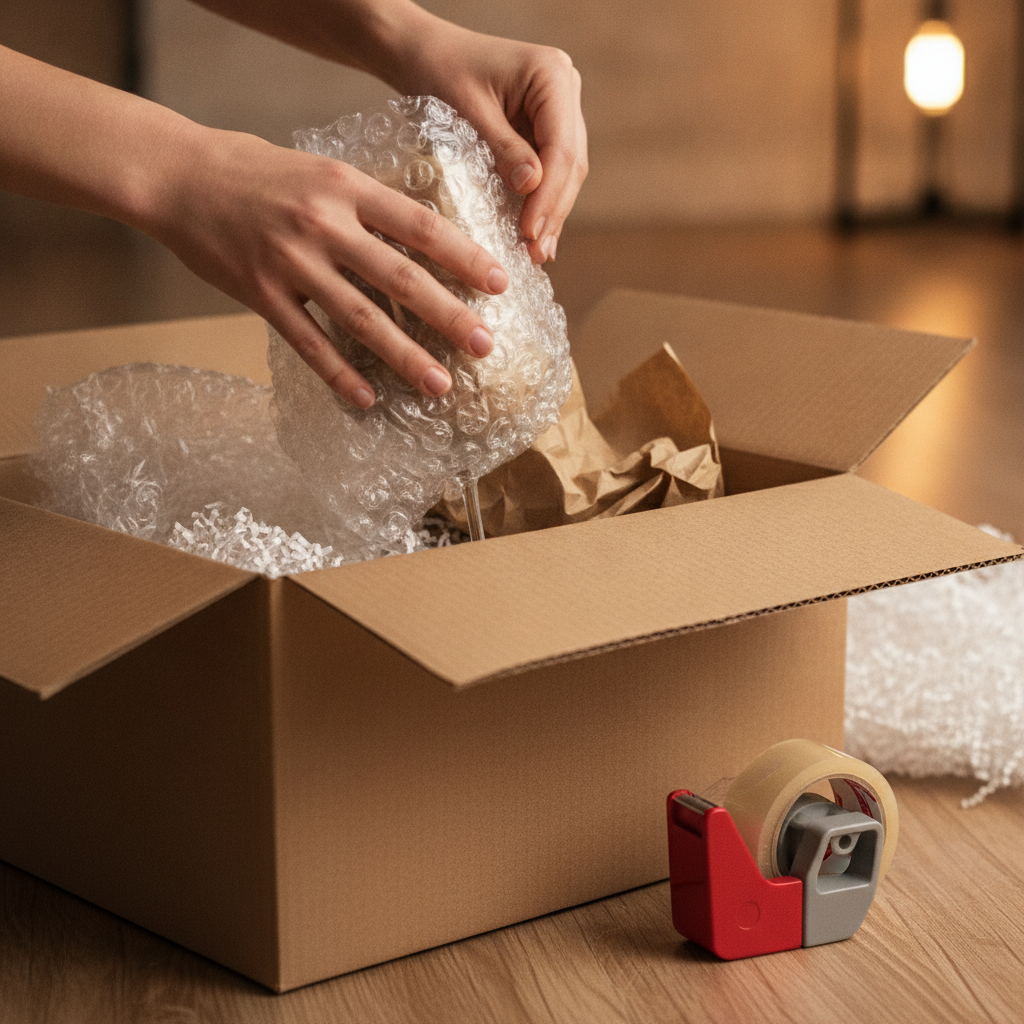
Professional packing services can be useful when parents are working, caring for young children, facing a compressed closing date, or dealing with fragile and bulky belongings. A packing crew can bring suitable supplies, wrap breakables, build stable cartons, and label boxes so the moving crew can place them correctly at the new home.
If you pack yourself, work room by room instead of filling random boxes throughout the house. Put heavier objects on the bottom, cushion empty spaces, avoid overfilling cartons, and mark boxes containing glass, electronics, or other fragile contents. Keep a dedicated packing surface for breakables and a separate area for sealed boxes so children and pets cannot accidentally disturb them.
Use concise labels that answer two questions: where does this box belong, and how soon will we need it? For example, “Child 1 bedroom - open first” is more useful than “miscellaneous.” Colour stickers can help children recognize their own boxes, but write the room name as well in case a sticker comes loose.
Build an open-first essentials box
Pack one clearly marked essentials box, or one small tote per adult and child, and keep it with you rather than placing it deep inside the truck. Include medications, toiletries, toilet paper, hand soap, towels, chargers, a flashlight, basic tools, water, snacks, paper plates, cups, cutlery, and simple cleaning supplies.
For children, add pajamas, a change of clothes, a favourite toy or comfort item, a nightlight if needed, and familiar snacks. Keep bedding easy to reach so you can make beds before unpacking decorations. This small preparation often matters more than opening several general boxes on the first evening.
How to keep children calm and safe
Children respond differently to a move. Some may be excited about a new room, while others may worry about leaving familiar spaces, friends, routines, or school. Explain what will happen in simple stages, show them pictures or a basic calendar when helpful, and make room for questions without promising details you cannot control.
On moving day, arrange a safe location away from doors, stairs, dollies, and loading paths. A trusted adult can supervise children at a relative’s home, with a child-care provider, or in a cleared room that is not part of the crew’s route. Keep snacks, water, and quiet activities available, and avoid assigning children tasks that put them near heavy furniture.
Age-appropriate jobs that help
- Young children can place stickers on boxes, choose a comfort item, or draw a picture for their new room.
- Older children can pack books and toys, check a simple room list, or help identify boxes that should be opened first.
- Teenagers can manage chargers and personal documents, help with room labels, or prepare a basic meal plan.
Keep a predictable anchor in the day, such as the usual breakfast, a familiar lunch, or the normal bedtime routine. Even if the surroundings change, a few recognizable habits can make the transition feel less disruptive.
Protecting furniture and specialty items
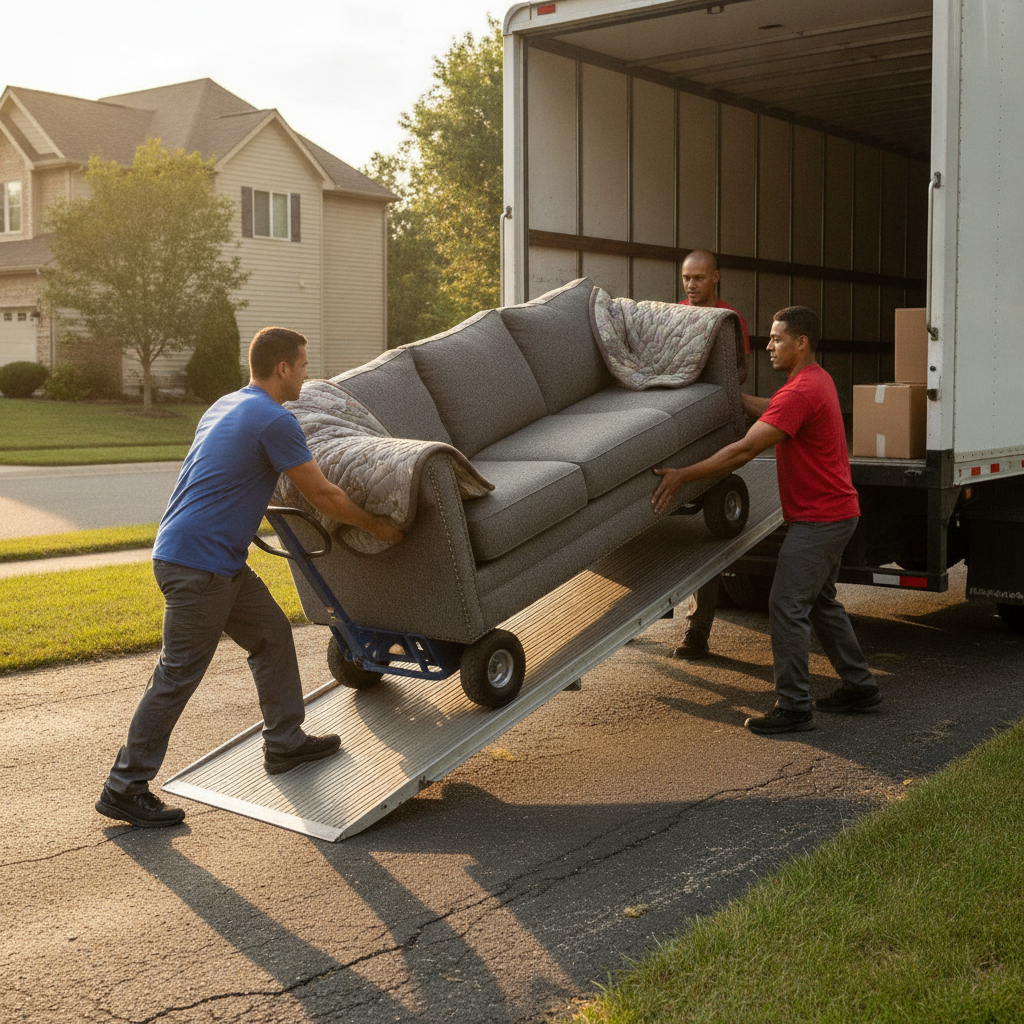
Pianos, appliances, hot tubs, treadmills, couches, and other oversized items require more than ordinary carton packing. Movers need to consider weight, dimensions, stairs, doorways, flooring, lifting points, and the safest route through each property. Tell the moving company about these items before the quote so the plan accounts for equipment, crew size, and access.
Professional movers may use furniture blankets, shrink wrap, corner protection, dollies, ramps, straps, and floor protection. Appliances may need doors and cords secured, while fitness equipment may need stabilization or partial disassembly. Clear the route before the crew arrives and remove toys, rugs, and small furniture that could create trip hazards.
How to make a moving quote more accurate
A moving quote depends on the actual scope of work. The main factors include the volume of belongings, travel distance, stairs or elevators, long carries, parking conditions, packing services, disassembly, reassembly, and specialty items. A clear inventory and honest access information help the mover plan the right truck, crew, equipment, and supplies.
Let’s Start Moving offers a video-quote option based on volume and distance. During a walkthrough, show closets, storage areas, garages, balconies, appliances, large furniture, stairs, and both entry routes. Mention anything that will be added before moving day so the final plan does not rely on an incomplete inventory.
When comparing movers, request written estimates from at least three reputable companies and ask what each estimate includes. Confirm whether packing materials, packing labour, travel, stairs, elevators, specialty handling, and protection are included or treated separately. The Canadian Office of Consumer Affairs provides moving advice for comparing estimates and protecting your property.
A practical moving-day checklist
- Keep identification, keys, lease or closing documents, medications, valuables, and essential electronics with you.
- Take photographs of the condition of floors, walls, and larger items before loading when appropriate.
- Protect a child-safe room or arrange supervision away from the work area.
- Walk the crew through the home and point out fragile items, specialty belongings, and boxes marked open first.
- Keep pathways, stairways, driveways, and entrances clear of toys, shoes, bins, and loose cords.
- At the new home, direct boxes by room rather than placing everything in one central area.
- Check closets, cabinets, storage areas, appliances, and outdoor spaces before leaving the old address.
- Make beds and set up medication, food, chargers, and children’s comfort items before unpacking nonessential boxes.
Do not let the need to unpack everything on day one create unnecessary pressure. A functional kitchen, clean bedding, working bathroom, and familiar child routine are more valuable during the first evening than perfectly arranged decor.
Why licensed and insured movers matter to families
Licensed and insured movers provide a more accountable option for handling your household. Ask who will perform the work, what protection is available, how the estimate is documented, and how concerns are handled before choosing a company. Clear communication is especially important when children, fragile belongings, tight building windows, or specialty items are involved.
Let’s Start Moving provides residential and commercial relocations across Ottawa and surrounding areas, including local and longer moves across Ontario. Its trained, licensed and insured team manages packing, transportation, careful delivery, and specialty items, with 24/7 support and a focus on transparent, budget-friendly planning.
Frequently asked questions
How early should a family start preparing for a local move?
Start four to five weeks before moving day when possible. Use the first weeks for decluttering and low-use packing, then reserve the final two or three days for essentials and daily-use items. Booking early also gives you time to compare estimates, arrange packing services, and confirm building or parking requirements.
What should children do on moving day?
Children should stay away from loading paths, stairs, dollies, and open truck doors. Arrange supervision with a trusted adult or create a safe room away from the crew’s route, and give children quiet activities, snacks, water, and familiar comfort items. Older children can help with labels or a checklist only when it is safe to do so.
Are packing services worthwhile for a family?
Packing services can be worthwhile when time, childcare, work, or fragile belongings make self-packing difficult. Professional packers can supply appropriate materials, wrap breakables, organize cartons by room, and reduce the amount parents must complete during the final week. You can also choose partial packing for only the kitchen, fragile items, closets, or specialty belongings.
What belongs in a first-night moving box?
Include medications, toiletries, toilet paper, soap, chargers, basic tools, towels, bedding, water, snacks, simple dishes, and cleaning supplies. Add each child’s pajamas, a change of clothes, comfort item, nightlight, and preferred snacks. Keep the box in your vehicle or clearly identify it so it is unloaded first.
How can Ottawa families prepare for condo or apartment access?
Ask the property manager about elevator reservations, loading zones, move-in hours, parking, stairs, and required insurance or building documents. Share these details during the quote and reconfirm them shortly before moving day. A short local route does not remove the need to coordinate access at both addresses.
Plan a calmer local move for your family
Start with a realistic timeline, a clearly labelled essentials box, and a safe plan for children. For help with packing, heavy furniture, specialty items, transportation, or a video quote, contact Let’s Start Moving and describe your home, inventory, access conditions, and preferred timing.