
Choosing licensed movers is the process of verifying a moving company’s legal authority, insurance, safety record, and service standards before you book. It reduces risk of damage, delays, and disputes. Use documented checks—credentials, coverage, references, and a written agreement—to protect your schedule and your belongings.
By Let’s Start Moving · Last updated: 2026-06-24
Overview and Quick Summary
To choose licensed movers, confirm their operating license and insurance in writing, evaluate safety and complaint history, compare like-for-like written estimates, and review contract terms before signing. Prioritize companies with trained crews, specialty-item capability, and documented on-time performance to minimize risk and keep move-day predictable.
When you’re planning a move, the right partner saves time, prevents damage, and lowers stress. As a full-service team, we’ve seen the difference that licensed, insured movers make in the outcome of a move—especially for complex items and tight timelines.
- Verify legal credentials and active insurance before any deposit.
- Ask for a like-for-like written estimate with scope and exclusions.
- Check safety record trends, dispute handling, and references.
- Confirm crew size, equipment, and specialty handling capabilities.
- Align move-day plan with access constraints, elevators, and timing.
Let’s Start Moving manages residential and commercial relocations end-to-end—from professional packing and supplies to transportation and delivery. We also handle specialty items such as pianos, appliances, hot tubs, treadmills, couches, and more, and we offer a fast video-quote option so you can validate scope early.
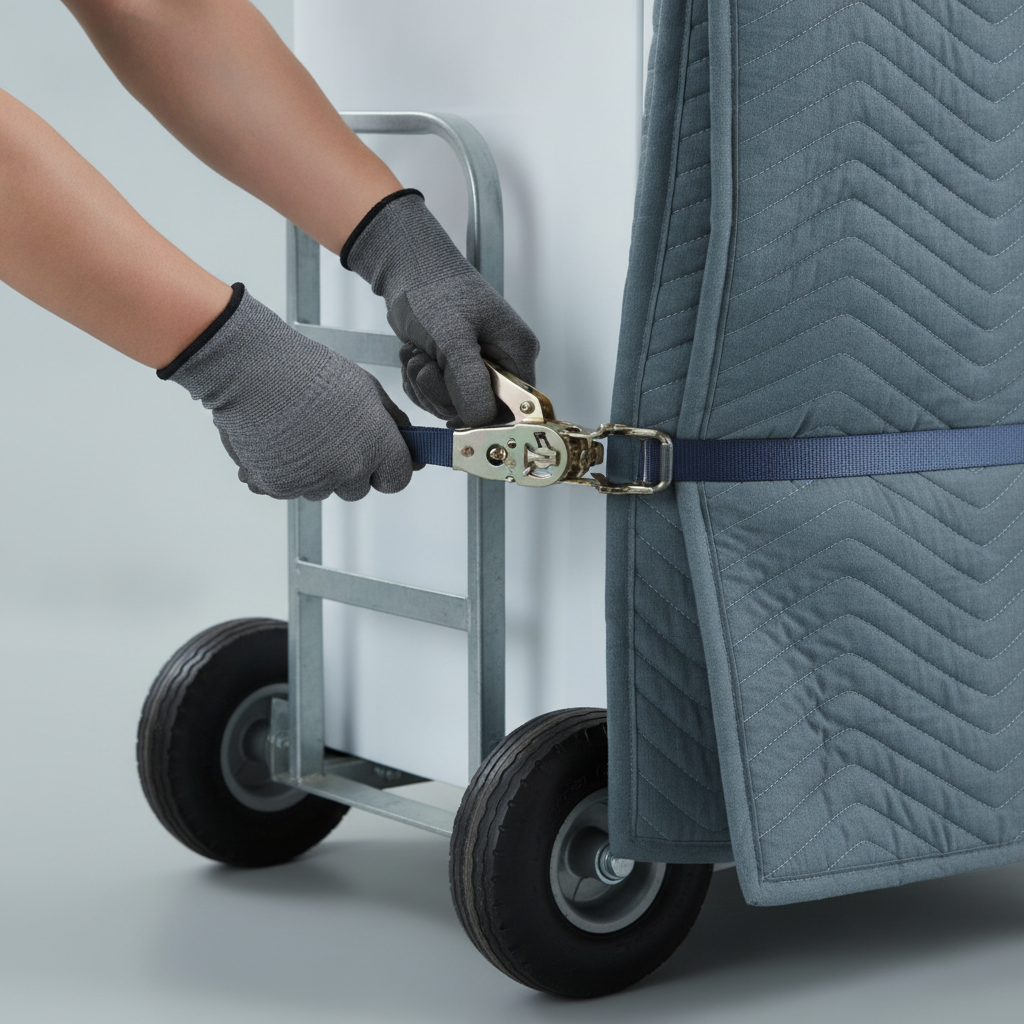
Before You Start (Prerequisites)
Gather the essentials before you evaluate movers: your inventory list, access details (stairs, elevators, parking), dates and time windows, special handling needs, and proof you require a licensed and insured crew. This prep produces apples-to-apples estimates and exposes gaps before move day.
Preparation is leverage. A clear brief helps reputable movers respond faster and more accurately—especially when timing is tight or inventory is complex.
What to prepare for accurate comparisons
- Complete inventory: Furniture, boxes, appliances, and specialty items (pianos, hot tubs, treadmills).
- Photos or short video: Useful for a quick video quote and for flagging tight turns or fragile items.
- Access constraints: Elevator bookings, loading zones, stair counts, long carries, or parking rules.
- Date and time windows: Preferred move date(s), delivery windows, and any blackouts.
- Value protection preference: Basic carrier liability versus requesting higher coverage in writing.
- Services you want: Full packing, partial packing, unpacking, furniture assembly, debris haul-away.
How Let’s Start Moving uses your brief
- Video-quote option: Share a quick walkthrough; we translate it into a documented scope.
- Specialty handling plan: We outline equipment and crew needed for items like pianos and appliances.
- On-time execution: Your access details help us optimize routes and staging to stay on schedule.
- Packing & supplies alignment: We match cartons, padding, and crates to your inventory’s fragility.
Arriving at an apples-to-apples estimate starts with this prep. It also clarifies expectations—reducing change orders and day-of surprises.
Step-by-Step: How to Choose Licensed Movers
Define your scope, verify licensing and insurance in writing, review safety and complaint trends, request like-for-like written estimates, and confirm service details such as packing, specialty-item handling, and arrival windows. Sign only when the contract reflects scope, protections, and clear move-day responsibilities.
These steps are the backbone of a safe, predictable move. Use them as a checklist and keep copies of everything you receive or sign.
Step 1 — Define scope and constraints
- Clarify the job: Inventory, origin/destination access, deadlines, and non-negotiables.
- Decide services: Full/partial packing, furniture disassembly, specialty-item handling.
- Outcome focus: What must be true for move-day to be a win for you?
Example: A home with a baby grand piano and a narrow staircase demands a different crew, equipment, and load order than a studio with boxes only.
Step 2 — Verify licensing and active insurance
- Ask for proof in writing: Operating license particulars and current insurance certificate.
- Confirm coverage scope: Liability limits, exclusions, and value protection options.
- Keep copies: Store documents with your estimate and contract.
In our experience, clients who request proof up front avoid most disputes later. It’s simple, fast, and sets a professional tone.
Step 3 — Review safety record and complaints
- Look for trend lines: Are issues isolated or recurring? How were they resolved?
- Ask for references: Recent moves similar to yours (size, access, specialty items).
- Clarify claim process: How to report damage and typical resolution timelines.
Patterns matter more than one-off reviews. A consistent response plan signals operational maturity and accountability.
Step 4 — Request like-for-like written estimates
- Same scope, same assumptions: Ensure each mover quotes the identical inventory and services.
- Documented exclusions: Stairs, long carries, elevators, or heavy items should be explicit.
- No verbal-only quotes: Keep the paper trail; confirm revisions in writing.
A written estimate aligns expectations on crew size, equipment, and time windows—foundation pieces for an on-time move.
Step 5 — Confirm services, equipment, and specialty handling
- Packing Services & Supplies: Ask about cartons, padding, wardrobe boxes, and protective materials.
- Specialty items: Pianos, hot tubs, treadmills, and appliances require plans and tools.
- Truck and tools: Liftgates, dollies, floor runners, door jamb protection, and straps.
Take a piano: without skid boards or proper strapping, risk skyrockets at doorways and stairs. Document the plan for every high-value item.
Step 6 — Align schedule, crew, and on-time expectations
- Arrival window and duration: Confirm start time, estimated hours, and delivery window.
- Crew size and leads: Names, roles, and who owns communication onsite.
- Contingencies: Backup truck, weather plan, and elevator booking confirmations.
Teams that proactively confirm logistics hit schedules more consistently and avoid idle time charges or building conflicts.
Step 7 — Review the contract and value protection
- Scope and inventory: Must match your estimate and notes.
- Liability and coverage: Understand basic carrier liability versus higher-value options.
- Dispute resolution: Steps, documentation, and timelines in case something goes wrong.
Contracts prevent misunderstandings. If something’s unclear, ask for plain-language clarification before signing.
Step 8 — Prepare your home and communicate
- Zone the space: Clear paths, protect floors, label rooms, and stage fragile items.
- Separate essentials: Documents, medication, chargers, and an overnight kit travel with you.
- Share updates: Any last-minute access changes? Tell your mover immediately.
We’ve found that 30 minutes of prep the day before often saves an hour on move day—and reduces risk dramatically.
Step 9 — Final confirmation call
- Reconfirm scope and timing: Inventory, access, crew, and windows.
- Emergency contact: Single point of contact for move-day decisions.
- Readiness check: Elevators booked, parking arranged, pets planned, and keys available.
This last touchpoint keeps everyone aligned and reduces the chance of day-of surprises.
Licensed vs. Unlicensed: What Actually Changes
Licensed movers operate under verifiable authority, maintain active insurance, and provide written agreements. Unlicensed operators lack these safeguards, increasing risk of damage, delays, and unresolved disputes. Choosing licensed, insured crews improves accountability, documentation, and predictable results.
Here’s a quick, scannable comparison you can save for reference.
| Factor | Licensed & Insured Movers | Unlicensed Operators |
|---|---|---|
| Proof of authority | Written, verifiable license and insurance | Often none or unverifiable |
| Contract clarity | Formal estimate and contract | Informal, verbal promises |
| Specialty handling | Documented plan, right tools | Ad hoc approach, higher risk |
| Accountability | Defined claims and resolution steps | Opaque or nonexistent process |
| Predictability | On-time planning and updates | Greater chance of delays |
The choice shapes your entire timeline. Documentation and safeguards translate directly to fewer headaches.

Troubleshooting: Red Flags and What to Do
If a mover refuses to show license or insurance, won’t provide a written estimate, or pressures for cash-only payment, pause immediately. Ask for documents in writing, compare alternatives, and choose providers with documented procedures for claims, timing, and specialty handling.
Common issues and fast responses
- No documentation offered: Decline and move on; reputable movers share proof readily.
- Vague or shifting scope: Re-center on your written inventory and access notes.
- Unclear arrival window: Request a defined window and day-before confirmation call.
- Heavy items without a plan: Ask for the specific equipment and steps they’ll use.
- Damage during a move: Photograph immediately, note on paperwork, and follow claims steps.
Simple escalation path
- Start with your crew lead; confirm facts and expected next steps.
- Escalate to operations; ask for written acknowledgment and timeline.
- Document everything; photos, serial numbers, and any witness statements.
In our experience, clear documentation and calm escalation resolve most issues quickly and fairly.
Advanced Tips to Elevate Your Move
Level up by using a video quote to align scope early, staging high-risk items for inspection, and confirming building requirements in advance. Ask for a detailed load order and protection plan for stairs, flooring, and door jambs to speed the day and prevent damage.
Maximize accuracy with a video quote
- Walk every space: Include basements, garages, and storage areas.
- Call out risks: Tight corners, delicate finishes, and heavy items.
- Confirm in writing: Make sure the final estimate reflects what you showed.
Optimize for specialty items
- Piano moving: Ask about skid boards, padding, and team experience.
- Appliance moving: Verify strap technique, hand trucks, and water/gas prep.
- Hot tubs and treadmills: Clarify disassembly, path clearance, and reassembly steps.
Preempt building constraints
- Secure elevator reservations and certificate requirements early.
- Arrange loading zone access and share any time restrictions.
- Protect floors and entrances with runners and door-frame padding.
These moves add minutes up front and save hours later—while protecting walls, rails, and finishes.
Need a hand choosing licensed movers? Share a quick video walkthrough and we’ll return a documented scope, recommended crew and equipment, and a clear written estimate—so you can compare options confidently.
Services we provide: Residential Moving Services, Commercial Moving Services, Packing Services & Supplies, Local and Long Distance Moving, and specialty-item handling (pianos, appliances, hot tubs, treadmills, couches).
Frequently Asked Questions
Most people vet movers by checking license and insurance, comparing written estimates, and confirming specialty handling. Below are concise answers to common questions so you can make a confident, documented choice.
What documents should I request from a moving company?
Ask for written proof of operating license, a current certificate of insurance, a detailed written estimate showing scope and exclusions, and a contract outlining liability, claims steps, and timelines. Keep digital copies with your inventory list.
How do I compare estimates fairly?
Use the same inventory and services for each quote. Ensure exclusions (stairs, long carries, elevators, heavy items) are explicit. Compare arrival windows, crew size, equipment, value protection, and documented specialty handling—not just the bottom line.
Do licensed movers handle pianos and other heavy items?
Many licensed movers do, but always confirm experience and equipment. For pianos, ask about skid boards and staging. For appliances, verify strap technique and hand trucks. For hot tubs and treadmills, clarify disassembly and reassembly plans.
What are the biggest red flags when hiring movers?
Refusal to show license or insurance, verbal-only quotes, pressure for cash-only payment, and vague timelines are major red flags. Choose providers who document scope, protection plans, and arrival windows before you sign.
Additional Resources
Use third-party checklists and mover selection guides to supplement your due diligence. Read with a critical eye: you want verifiable credentials, written estimates, and clear protection plans, not vague promises.
For perspective on selection criteria and planning checklists, see this practical guide on how to pick movers. For a broader overview of picking an out-of-state team, review these considerations for out-of-state movers. For a cautionary look at avoiding vague promises, scan this short article on choosing a trusted moving company.
Conclusion and Next Steps
The best way to choose licensed movers is to verify credentials and insurance, compare like-for-like written estimates, and require a clear plan for timing, protection, and specialty items. Document everything, keep copies, and confirm details the day before your move.
- Key Takeaways
- Licensing and active insurance are non-negotiable—get proof in writing.
- Written, like-for-like estimates prevent scope drift and surprise gaps.
- Specialty handling plans protect pianos, appliances, and fitness equipment.
- Pre-move prep and a final confirmation call keep schedules on track.
- Action Steps
- Create your inventory and access brief.
- Request written proof of license and insurance.
- Get two to three like-for-like written estimates.
- Confirm protection plans and arrival windows before signing.
If you want expert guidance, we’re ready. Share a quick video walkthrough to receive a documented scope, recommended crew and equipment, and a clear written estimate—so you can compare choices with confidence and move day goes exactly to plan.