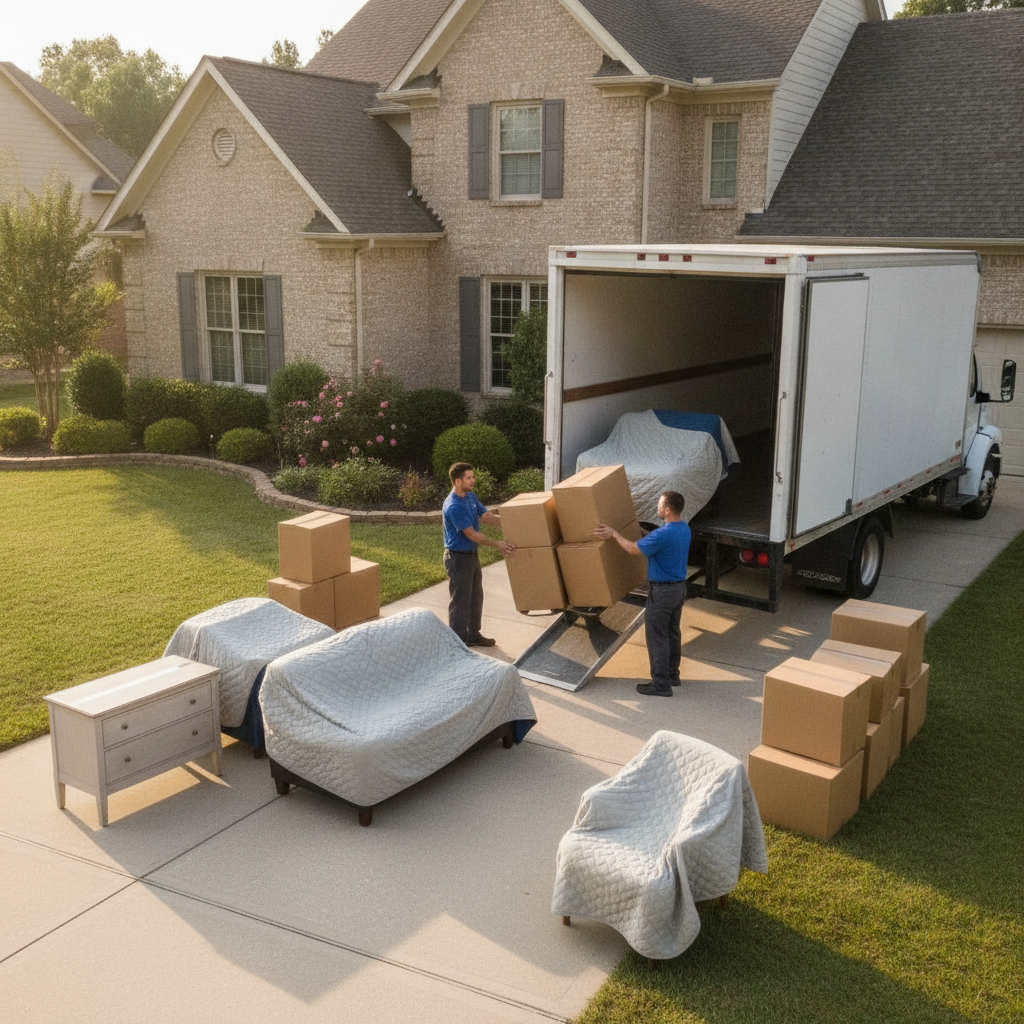
A moving day checklist for homeowners is a step-by-step plan that organizes tasks from the night before through first-night essentials. It outlines who does what, when to load, how to protect items, and what to verify at delivery. Use this checklist to reduce stress, prevent damage, and keep your schedule on track.
By Let's Start Moving • Last updated: 2026-07-06
At a Glance: Your Moving Day Plan
Your moving day plan should lock in arrival times, assign roles, stage labeled boxes by room, protect high-value items, and verify the move-out and move-in checklists before signing paperwork. A clear hour-by-hour schedule keeps the crew coordinated, reduces damage risk, and ensures you’re set up for the first night.
This above-the-fold section gives you the quick version and a table of contents so you can jump right where you need help. Bookmark this page and keep it open on your phone the night before and during loading.
- What you’ll get: a complete, homeowner-focused moving day checklist, pro packing tips, loading order, and arrival checks.
- Who it’s for: anyone moving a home—whether you’re DIY, hiring pros, or taking a hybrid approach.
- Why it works: it replaces guesswork with a simple sequence you can follow under pressure.
Quick Table of Contents
- What Is a Moving Day Checklist?
- Why a Homeowner-Focused Checklist Matters
- How Moving Day Works (Timeline & Roles)
- Types of Moving Approaches Compared
- The Complete Moving Day Checklist for Homeowners
- Best Practices to Prevent Damage and Delays
- Tools, Supplies, and Resources (Buying Guide)
- Specialty Items: Pianos, Appliances, Treadmills, Hot Tubs
- Case Studies and Real-World Scenarios
- Frequently Asked Questions
- Key Takeaways and Next Steps
- Conclusion: Make Moving Day Predictable
What Is a Moving Day Checklist?
A moving day checklist is a structured, room-by-room and hour-by-hour plan homeowners follow to execute move-out, transport, and move-in with minimal stress. It defines tasks, assigns roles, standardizes packing and labeling, and verifies delivery—so nothing critical gets missed when the pressure is on.
Think of it as your playbook. It clarifies responsibilities, keeps time-sensitive tasks visible, and helps you communicate with helpers or a professional crew. When everyone knows the sequence, loading speeds up and damages drop.
- Scope: night-before tasks, loading order, transit checks, new-home walkthrough, and first-night setup.
- Format: simple lists, color-coded labels, and a one-page schedule posted by the front door.
- Outcome: fewer surprises, faster unload, and a safe, functional home by evening.
We’ve built this guide from front-line experience planning residential moves, specialty item handling, and coordinating teams under tight timelines.
Why a Homeowner-Focused Checklist Matters
A homeowner-focused checklist protects your timeline, belongings, and energy. It aligns tasks with how families actually live—prioritizing kids’ items, medications, pet needs, and first-night essentials—so you keep momentum when the truck arrives and avoid last-minute scrambling.
Here’s the thing: moving day stress doesn’t come from one big problem—it’s a dozen small misses. A family-first plan prevents them.
- Reduce decision fatigue: pre-assign rooms and tasks so helpers don’t ask you 50 questions.
- Protect essentials: designate a “do-not-pack” zone for chargers, documents, and medications.
- Kid- and pet-ready: bag snacks, favorite toys, bowls, and leashes in an easy-reach tote.
- Evidence trail: take quick photos of high-value items and doorways before loading or uncrating.
- Delivery confidence: match labels to rooms at the new home; sign paperwork only after verifying counts.
In our experience, families who follow a written, room-based plan finish hours earlier and report fewer damaged items than those who improvise. You’ll feel the difference the moment the doorbell rings.
How Moving Day Works (Timeline & Roles)
Moving day works best with a clear timeline and assigned roles: a lead decision-maker, door/traffic spotter, tool runner, and room captains. Stage boxes by zone, protect floors and doorways, load heavy-to-light, and verify the bill of lading at departure and delivery.
Use this sample timeline as your baseline, then adjust for your home’s size and distance.
Suggested Hour-by-Hour Flow
- 6:30–7:30 a.m. | Final Prep: Brew coffee, clear walkways, tape floor protection, and stage first-load items near the door.
- 7:30–8:00 a.m. | Crew Arrival: Walkthrough, confirm inventory, point out fragile/specialty items, and agree on the loading route.
- 8:00–10:30 a.m. | Load Heavy/Room Captains: Furniture, appliances, and large boxes load first, followed by medium boxes and soft goods.
- 10:30–11:00 a.m. | Utilities & Photos: Quick meter photos, thermostat, lights out, and lock windows.
- 11:00 a.m.–Transit | Departure Check: Sign departure documents, share ETA, and carry your essentials kit with you—not in the truck.
- Arrival–Unload | Room-Based Drop: Verify floor protection, then direct boxes to labeled rooms; assemble beds early.
Tip: appoint one “quarterback” to answer crew questions while others keep packing areas moving. This single point of contact eliminates confusion.
Types of Moving Approaches Compared
Homeowners typically choose among DIY, hybrid (you pack, pros load/transport), or full-service moves. The right option depends on time, physical capacity, and the complexity of items like pianos and appliances. Use this comparison to decide where professional help saves the most stress.
| Approach | What You Do | Pros | Watch-outs | Best For |
|---|---|---|---|---|
| DIY | All packing, loading, driving, and unloading | Maximum control; flexible timing | Heavy lifting risk; slower; higher damage potential | Small moves, short distance, strong helpers |
| Hybrid | You pack; licensed pros handle loading/transport | Faster, safer handling; you save time and energy | Requires disciplined labeling and staging | Typical family homes with mixed items |
| Full-Service | Pros pack, protect, load, transport, and unload | Lowest damage risk; least stressful | Less hands-on control of packing choices | Large homes, tight timelines, specialty items |
Reality check: even with DIY, homeowners often bring in specialists for oversized or delicate items. That hybrid move can be the sweet spot.
The Complete Moving Day Checklist for Homeowners
Follow this homeowner moving day checklist from the night before through first-night setup. Stage rooms, secure fragile items, protect floors and doorways, and verify delivery before signing. Use clear labels and a one-page schedule by the door to keep everyone aligned under pressure.
Night Before
- Pack an essentials tote: IDs, medications, chargers, a basic toolkit, snacks, and a small first-aid kit.
- Label and stage boxes by room near the primary exit; keep hallways clear.
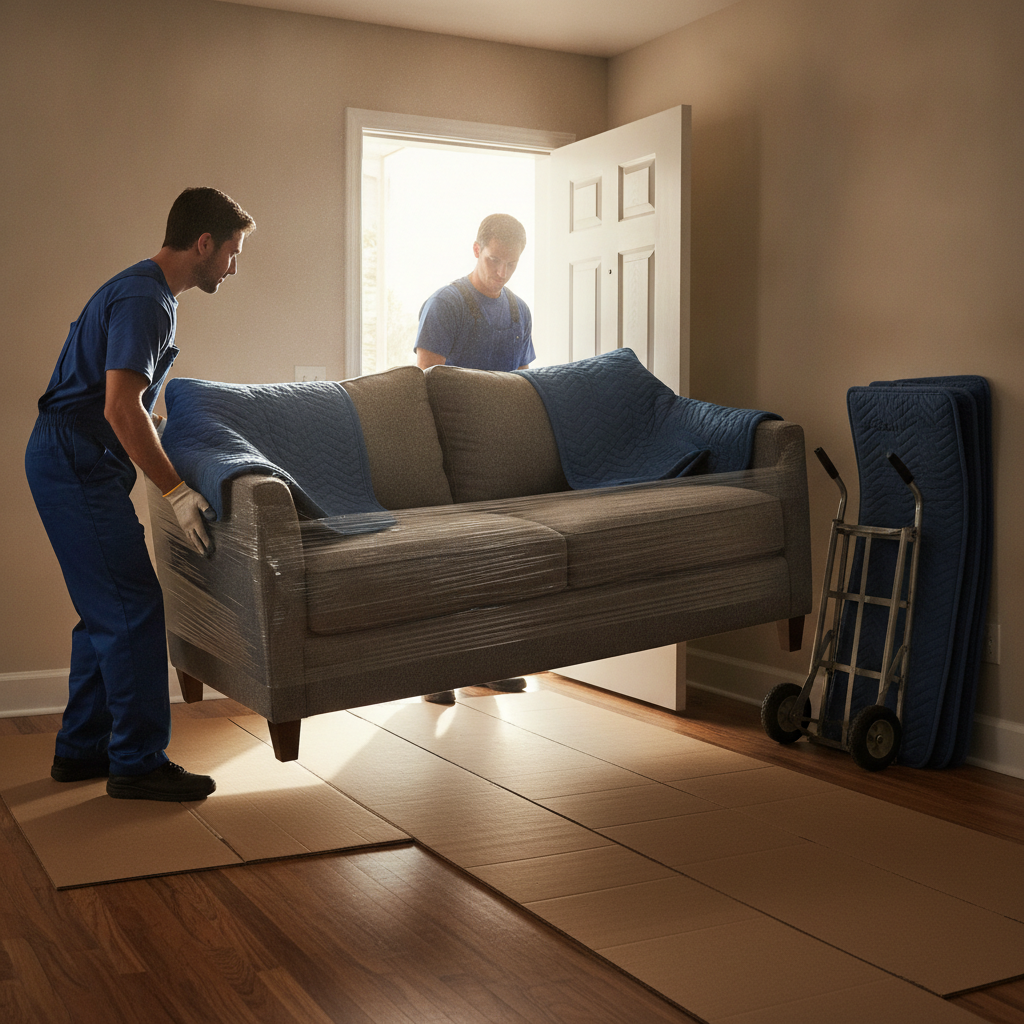
- Protect surfaces: put down floor runners and door jamb protectors.
- Defrost and drain refrigerators/freezers; disconnect water lines for washers and ice makers.
- Measure big items and doorways; plan the path for couches, treadmills, and appliances.
- Photograph condition of high-value items and tight doorways.
Before the Truck Arrives
- Assign roles: a lead decision-maker, room captains, and a door spotter.
- Walkthrough with the crew; show fragile, specialty, and do-not-pack items.
- Confirm inventory and any items requiring special equipment (piano boards, stair climbers, dollies).
- Stage heavy items closest to the exit; keep kids and pets safe in a closed room.
Loading Sequence
- Furniture and appliances first with pads and straps; then medium/large boxes; finally soft goods.
- Even weight distribution across the truck; no overhanging stacks.
- Label-facing out so room destinations remain visible at unload.
- Mattress bags and sofa covers on before loading to prevent rips and grime.
Departure Checks
- Utilities off, thermostat set, lights off, windows locked.
- Final cabinet sweep (use a headlamp or phone flashlight).
- Sign departure documents; take a quick photo of the paperwork.
Arrival & Unload
- Protect floors/doorways before the first item comes off the truck.
- Direct to rooms using the same color/word labels used at load.
- Build beds early and set up a clean surface for kitchen essentials.
- Verify counts and condition before signing final paperwork.
First-Night Setup
- Unpack bedding and toiletries first.
- Set up phone and laptop chargers in bedrooms and kitchen.
- Locate smoke/CO detectors and ensure they have working batteries.
- Place pet supplies (food, bowls, litter, leashes) in an accessible corner.
Best Practices to Prevent Damage and Delays
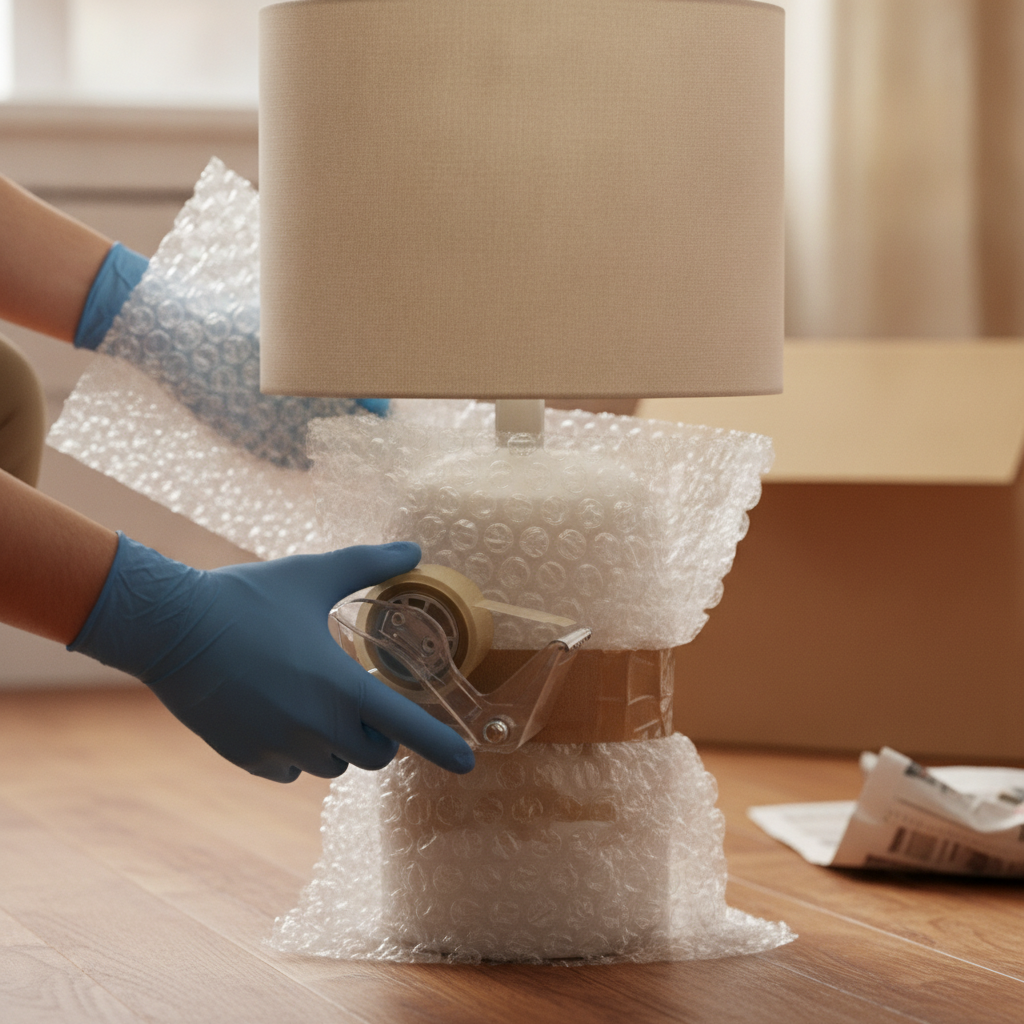
Prevent damage and delays by protecting surfaces, using the right equipment, assigning one decision-maker, labeling clearly, and loading heavy-to-light. Photograph conditions, verify counts, and assemble beds first at the new home to stabilize the day and eliminate backtracking.
- Protect the path: floor runners, door jamb protectors, corner guards.
- Use proper tools: shoulder straps, 4-wheel dollies, appliance dollies, and furniture sliders.
- Label with redundancy: color sticker + room name + fragile arrow for visibility from any angle.
- One-point decisions: appoint a “quarterback” so the crew doesn’t split attention.
- Load plan visible: keep the one-page schedule taped near the door; everyone references it.
- Safety first: lift with legs, keep fingers clear of door frames, and communicate turns out loud.
We’ve found that when labels face outward and the destination rooms are posted at the new home, unload speeds up dramatically and breakage drops because boxes land where they belong the first time.
Tools, Supplies, and Resources (Buying Guide)
Stock durable boxes, tape, protective pads, mattress bags, dollies, and floor protection before move day. Build a labeled essentials tote, color labels for rooms, and keep a basic toolkit handy. Quality supplies reduce damage risk and speed loading, especially for heavy items and tight hallways.
Moving Day Buying Guide
- Boxes: small for books, medium for kitchen/bath, large for linens and soft goods.
- Protection: furniture pads/blankets, stretch wrap, mattress bags, TV boxes, corner guards.
- Tools: adjustable wrench, hex keys, screwdrivers, utility knife, tape measure, headlamp.
- Handling: 4-wheel dollies, hand trucks, shoulder straps, sliders for hardwood.
- Organization: color stickers, bold markers, zip-top bags for hardware, clear tote for essentials.
For extra prep ideas, see practical tips in The UPS Store moving checklist and their guidance on prepping for a long-distance move. Many homeowners also use a printable inventory like the one suggested by MoveGenius’ preparation checklist to track boxes and rooms.
Specialty Items: Pianos, Appliances, Treadmills, Hot Tubs
Handle specialty items with the correct gear and sequence: pad and strap pianos to a board, secure appliance doors and lines, fold and immobilize treadmills, and use multi-person, equipment-assisted moves for hot tubs. When in doubt, bring in licensed, insured specialists to avoid injury and damage.
Pianos
- Uprights: secure the lid, pad all sides, strap to a piano board, and use a stair-capable dolly.
- Grands/baby grands: remove the lyre and legs, pad the body, and use a skid board—always a multi-person move.
- Path planning: measure tight turns; protect banisters and doorways with pads.
Appliances
- Refrigerators: empty, defrost, and secure doors; keep upright during transport.
- Washers/Dryers: disconnect hoses and power; use transit bolts if the manufacturer provides them.
- Ranges/Dishwashers: cap lines where applicable and protect glass fronts.
Treadmills & Fitness Equipment
- Fold, lock, and strap the deck; use two handlers minimum.
- Protect walls with pads along tight corridors; never pivot on painted corners without a guard.
Hot Tubs
- Drain fully, remove steps and accessories, and secure covers.
- Use specialty dollies/rollers and a multi-person team; plan for terrain and grade changes.
Specialty moves concentrate weight and risk. A small misstep can mean a damaged floor or injury. When you’re carrying high-value items, the safest move is often a professional one.
Need a calmer moving day? We handle end-to-end moves, delicate items, and short-notice schedules with trained, licensed, and insured crews. Prefer to pack yourself? Ask for a quick video walk-through quote and we’ll tailor loading, transport, and unloading support to your plan.
Case Studies and Real-World Scenarios
Real-world moving day wins come from clear roles, correct equipment, and staging rooms. These brief scenarios show how a written checklist and professional support for specialty items keep families on schedule and protect floors, walls, and valuables.
- Family of four, hybrid move: Homeowners packed; pros handled loading, transport, and unload with room-based labels. Beds assembled by 4 p.m.; zero wall dings due to doorway protection.
- One-bedroom apartment, DIY + assist: A small crew used dollies and sliders for large items; homeowner managed boxes. The essentials tote prevented a late run for chargers and tools.
- Grand piano relocation: The team removed legs/lyre, used a skid board and stair-capable dolly, and protected banisters. Instrument arrived in-tune-ready condition with no case scuffs.
- Washer/dryer set with tight turn: Transit bolts installed; corner guards prevented paint damage; hoses bagged and labeled. Units connected at arrival with no leaks.
- Treadmill through a narrow hall: Deck folded and strapped; two handlers and a spotter navigated with pads on corners—no wall contact.
- Hot tub over uneven yard: Multi-person roll with specialty dollies and planned path; cover secured and steps removed in advance.
- Long-distance timing: A printed schedule posted near the door kept helpers aligned during a long day; beds built early stabilized the rhythm of the unload.
These snapshots mirror the patterns in this guide: plan, protect, and stage. When tasks are visible and roles are clear, the day flows.
Frequently Asked Questions
Homeowners ask about timing, packing order, labels, and what to do with specialty items. The short answers: start early, protect pathways, label redundantly, and bring in licensed specialists when weight, size, or complexity exceeds your gear or comfort.
What should I do the night before moving day?
Finish staging labeled boxes by the main exit, pack an essentials tote, protect floors and doorways, charge phones, defrost the fridge, and photograph high-value items. Assign roles so everyone knows their job when the truck arrives.
How do I decide between DIY, hybrid, and full-service?
Match the approach to your time, help, and item complexity. DIY favors small moves with strong helpers. Hybrid works for typical homes where you pack and pros handle loading/transport. Full-service is best for tight timelines or specialty items like pianos and hot tubs.
What loads first on the truck?
Load heavy items first—furniture and appliances—then medium and large boxes, and finally soft goods. Keep labels facing outward and distribute weight evenly so stacks don’t shift in transit.
How do I protect floors and doorways?
Use floor runners, ram board, and door jamb protectors before the first item moves. Add corner guards where turns are tight. Pads on banisters and sliders under heavy furniture prevent scuffs and gouges.
What’s the best way to handle a piano or hot tub?
Use the proper equipment—piano board or skid, stair-capable dolly, multiple handlers—and protect the path. For hot tubs, fully drain and plan a multi-person, equipment-assisted route. When in doubt, hire licensed and insured specialists.
Key Takeaways and Next Steps
Post a one-page schedule, stage labeled boxes by room, protect surfaces, and assign a single decision-maker. Load heavy-to-light, build beds first at arrival, and verify counts before signing. For oversized or delicate items, bring in licensed, insured pros.
- Keep the plan visible and simple—lists beat memory on a busy day.
- Use the right tools for the job: pads, dollies, straps, and floor protection.
- Stabilize the first evening by prioritizing beds, chargers, and toiletries.
- When weight or complexity spikes, professional help prevents damage and downtime.
Conclusion: Make Moving Day Predictable
A reliable moving day checklist turns a stressful event into a managed process. With clear roles, the right supplies, and a room-based load/unload plan, you’ll protect your belongings and your energy—and you’ll land comfortably in your new space the very first night.
Your move doesn’t have to be chaotic. Use this guide as your blueprint, customize it to your home, and don’t hesitate to bring in trained, licensed, and insured crews for the heavy or delicate work. That’s how you arrive calm, on time, and ready to settle in.